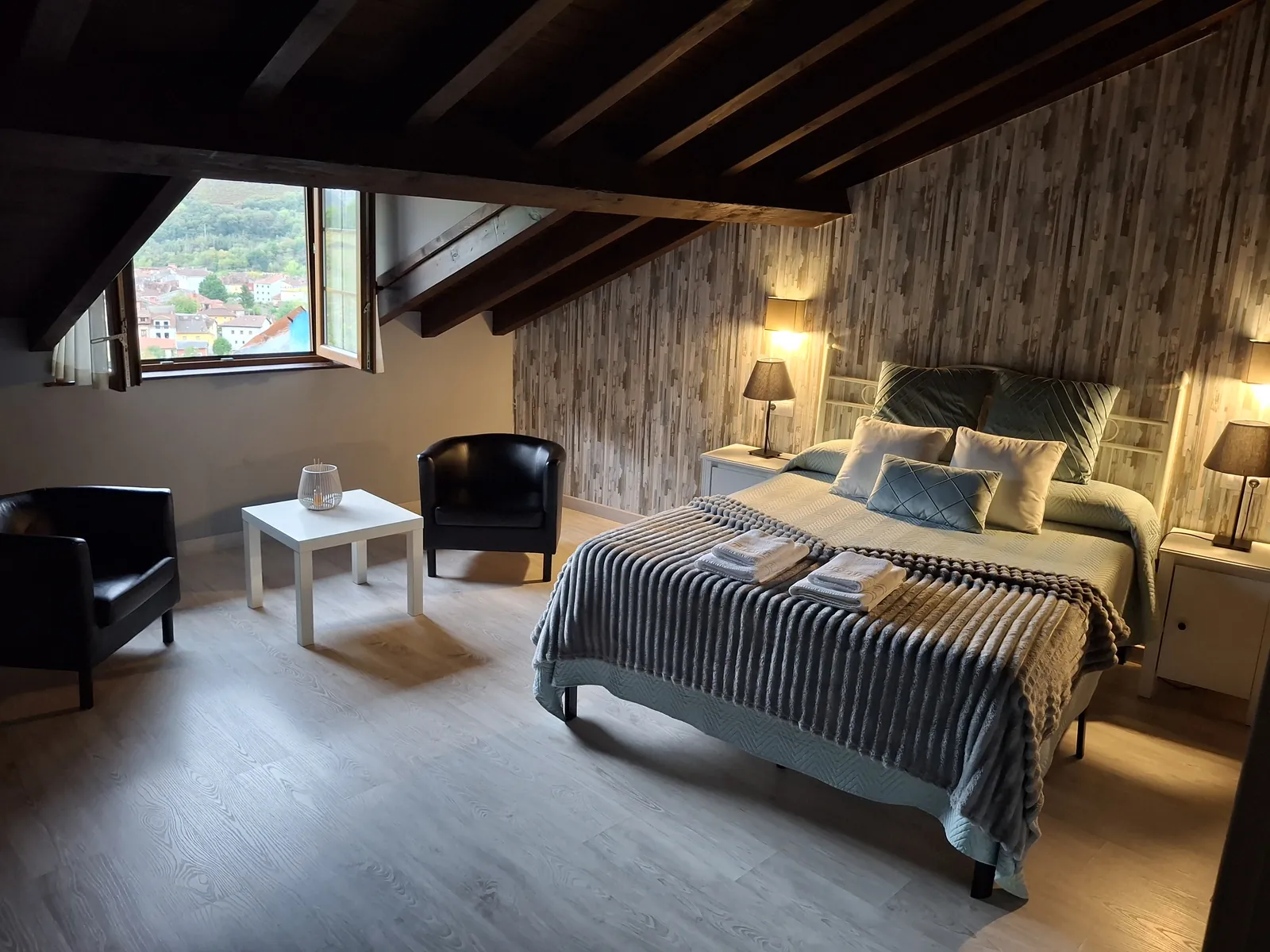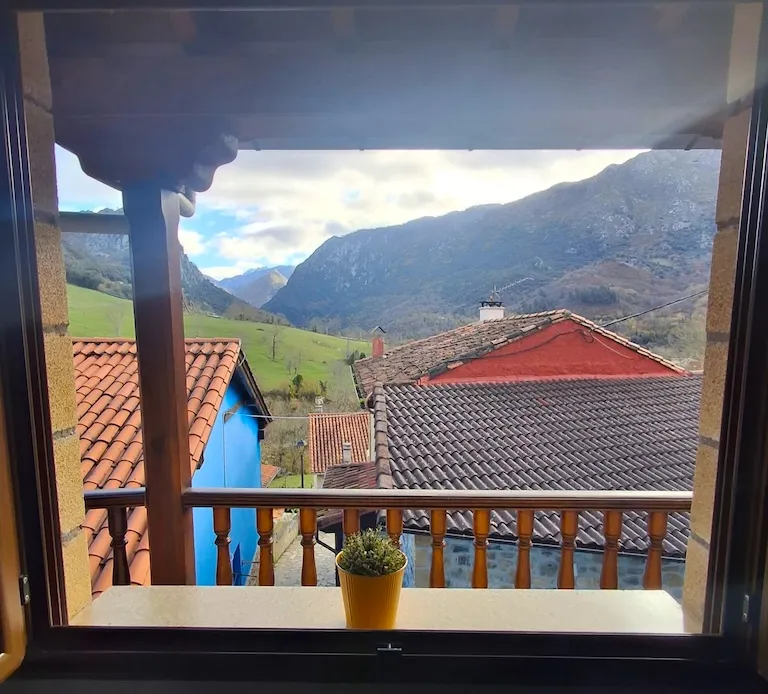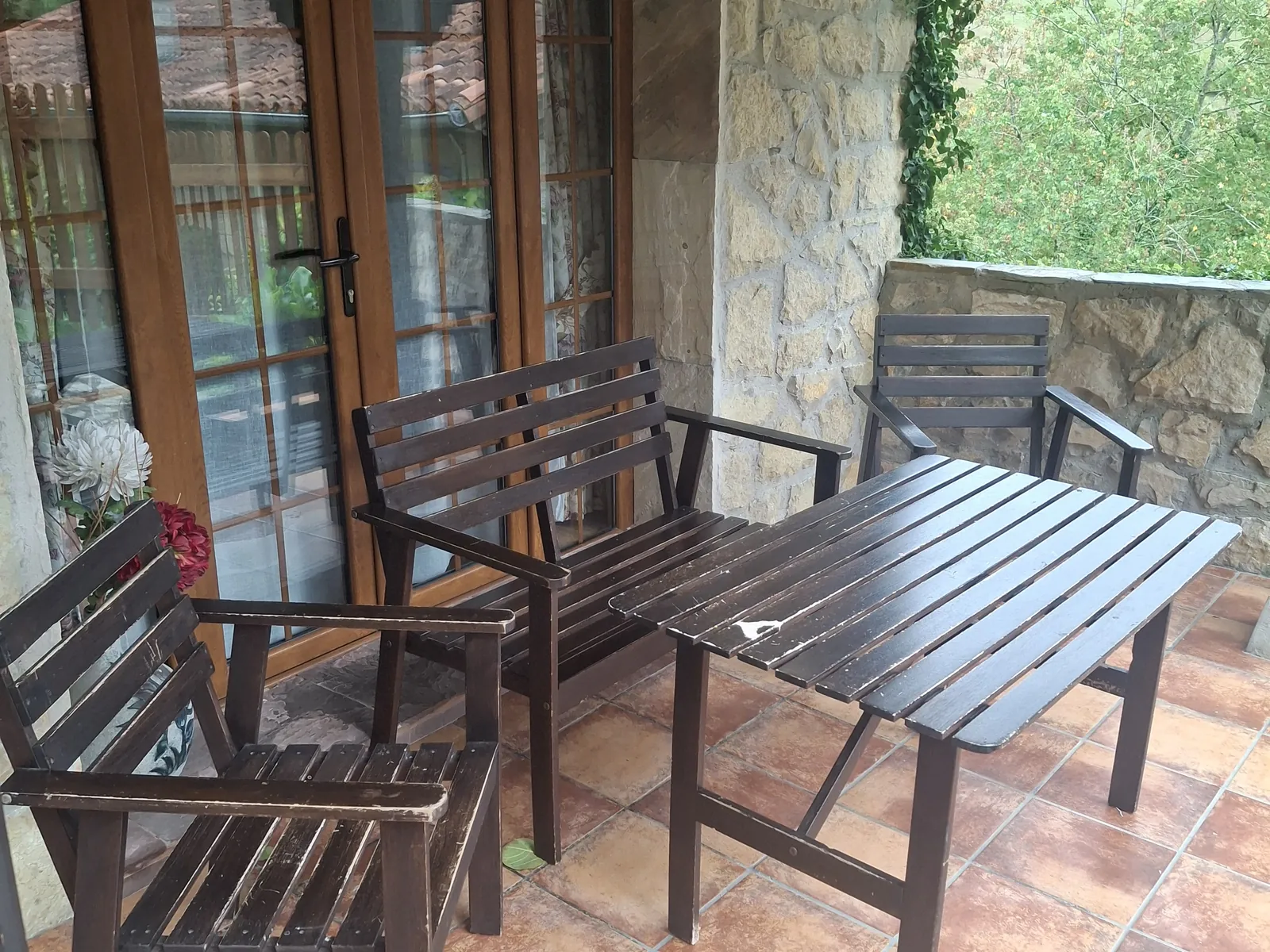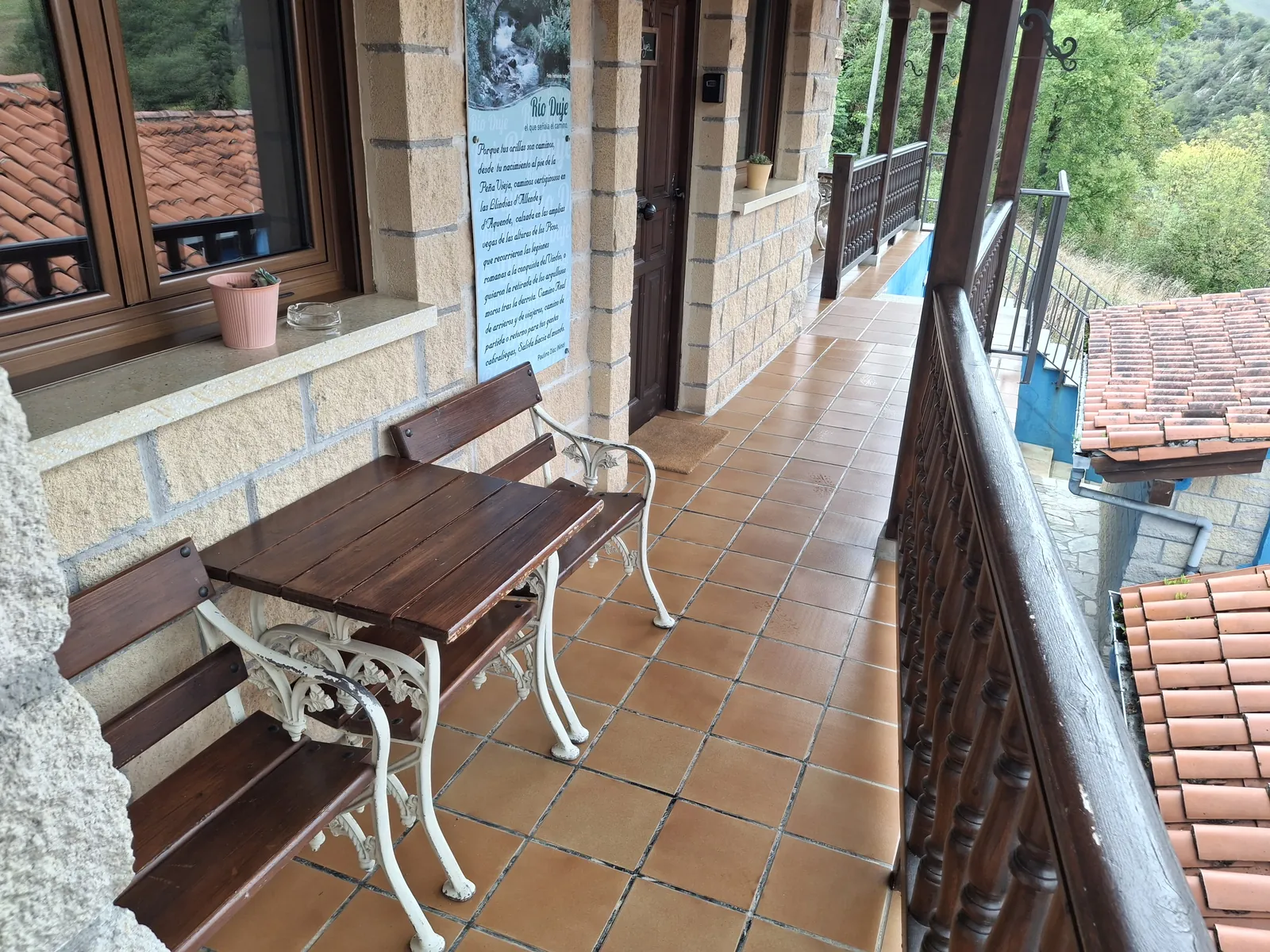

For anyone who walks, Cabrales is one of the best starting points in the Picos de Europa National Park. From El Ardinal you have the central massif close at hand: the Cares Trail and the climb to Bulnes start from Poncebos, 6 km away, and the Covadonga Lakes are an hour's drive. Here they are, from least to most demanding.
The Cares Route, the essential one
If you are only going to do one, make it this. The Cares Route runs carved into the rock between Poncebos and Caín, about twelve kilometres each way, suspended above the river in a gorge that in places closes in until only a sliver of sky is left.
It is not technical and has no big climbs, but it is long and it deceives: the gorge is arid, there is barely any shade, and the elevation adds up through constant ups and downs. There and back at an easy pace is six to eight hours. Plenty of people walk part of it and turn back whenever they feel like it, which is a perfectly reasonable option and a rather sensible one if you are with children.
The climb to Bulnes
Bulnes is a village no road reaches, and there are two ways up. On foot along the Canal del Texu, a cobbled path that starts at Poncebos and climbs the gorge in a little over an hour of sustained ascent at a good pace. Or on the funicular, which crosses the mountain through a tunnel and covers the height difference in a few minutes.
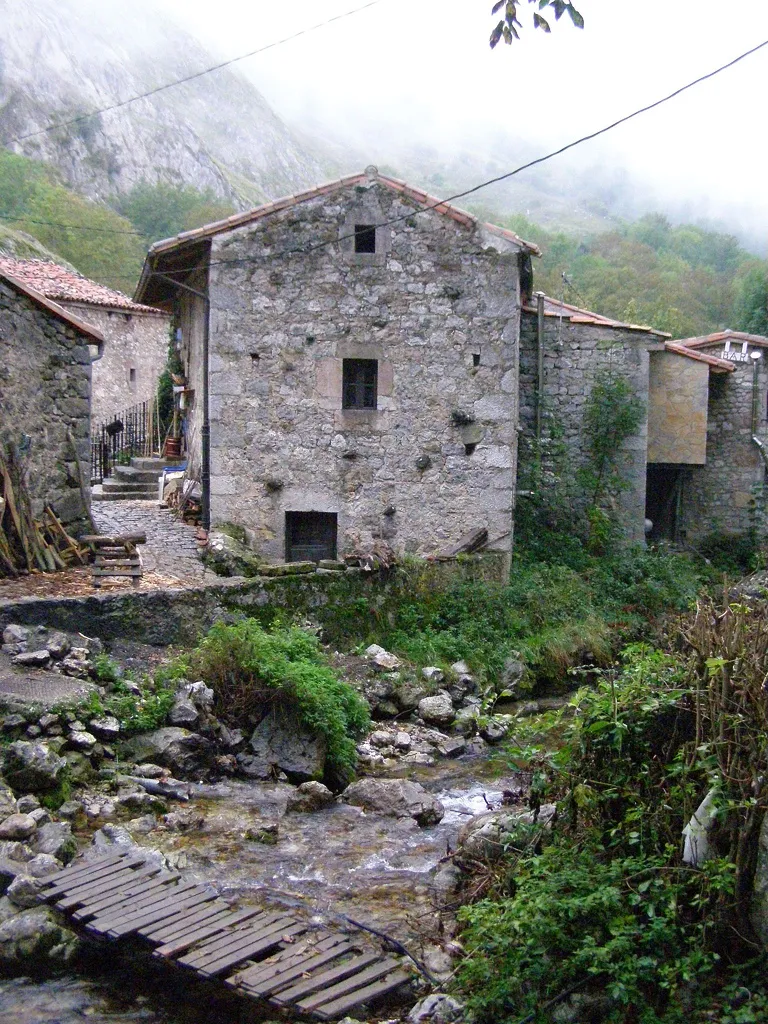
It is the ideal outing when you do not have a whole day or the weather looks doubtful. Waiting at the top is a stone village with a handful of residents, split into two hamlets — La Villa and El Castillo — and a silence you notice the moment you arrive. One combination works particularly well: walk up and come down on the funicular, or the reverse if you would rather spare your knees.
The Vega de Urriellu, at the foot of the Naranjo
The most demanding of the three, and the one that leaves the strongest memory. It leads to the meadow that opens up right below the Naranjo de Bulnes, where the Delgado Úbeda refuge stands.
You climb from Bulnes or from Sotres, with considerable elevation gain and a full day ahead of you if you are going up and back in one go. It requires no climbing technique, but it does need fitness and proper mountain boots.
If you can, consider sleeping up there to see the wall at sunrise, which is when it looks its best. The refuge is staffed from 15 March to 15 December — for the rest of the year a bivouac area with six bunks remains open — and it has 96 places that sell out in summer. Booking is done online, at reservarefugios.com, and it is worth sorting out well in advance.
Gentler alternatives
Not everything has to be a full day. The Camarmeña viewpoint, above Poncebos, offers a head-on view of the Naranjo after a short walk from the village: it is the best sunset plan in the area and the best return on effort you will find.
The high villages of the valley — Sotres, Tielve, Bulnes — are linked to each other by traditional paths that were working routes long before they were waymarked trails, and they make for a couple of hours' walking through shepherds' huts and meadows without committing to high mountain terrain.
And if you would rather walk beside the water than climb, the Foces del Casaño are the easiest walk in the municipality: a level path between woodland and rock walls, with no climb worth the name, and about 15 minutes' drive from El Ardinal.
How to choose according to the day
A simple rule of thumb. If the day is clear and you have the energy, Vega de Urriellu. If it is clear but you are short on time, the Cares. If there is fog on the summits or the forecast is doubtful, Bulnes or Camarmeña: these are the options that lose least in bad weather, because the interest is not only in the views.
And one rule that holds in all four seasons: the mountain keeps its own time. Fog can close in within minutes, and the temperature up high is nothing like the one in the valley.
What to take
Plenty of water, more than you think you will need, especially on the Cares, where there are no springs along much of the route. Mountain footwear with a grippy sole, warm layers even if it is hot in Arenas, sun protection and something to eat.
Always check the forecast before setting off, and start early: you gain cool air, light and quiet, in that order. If you are coming in autumn, have a look at our mountain safety tips for autumn too.
Bear in mind, too, that the Poncebos car parks fill up early in high season. Over Easter, on May weekends and from 1 June to 12 October there is a bus from Arenas de Cabrales to Poncebos, with minibuses connecting on to Tielve and Sotres; each season's timetables are published by the Asturias Transport Consortium. At the Lakes of Covadonga the road is closed to private cars for much of the year and you go up by bus: the calendar is on its official website.
Where to stay so early starts are painless
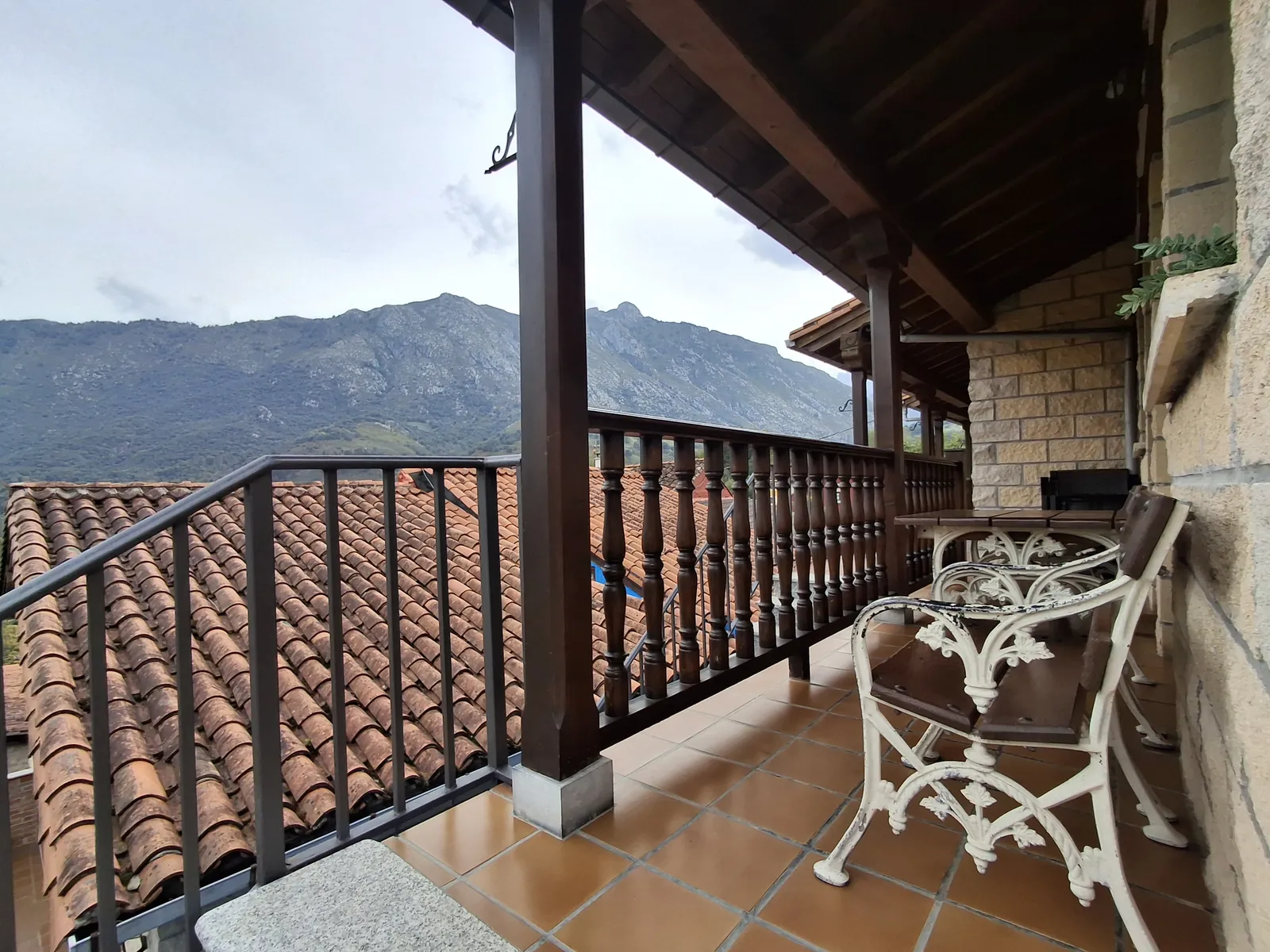
Almost all of these routes are better if you set off early, and that is far easier to organise sleeping in the valley than driving in from a distance. The Ribeles apartment makes a good base for a week in the mountains: a fully equipped kitchen for putting tomorrow's supplies together the night before, and the gallery facing the Picos so you can see where you have been on the way back.
If the Cares is your main plan, where to stay for the Cares Trail covers which apartment suits your group and how to plan the day.
If you would rather swap mountains for water
You have the Sella descent under an hour away, the Lakes of Covadonga for a quieter day, and the Llanes coast about 40 minutes from here. And to recover afterwards, fabada exists for precisely this. And for the rest of what the area has to offer, have a look at what to do from Cabrales.