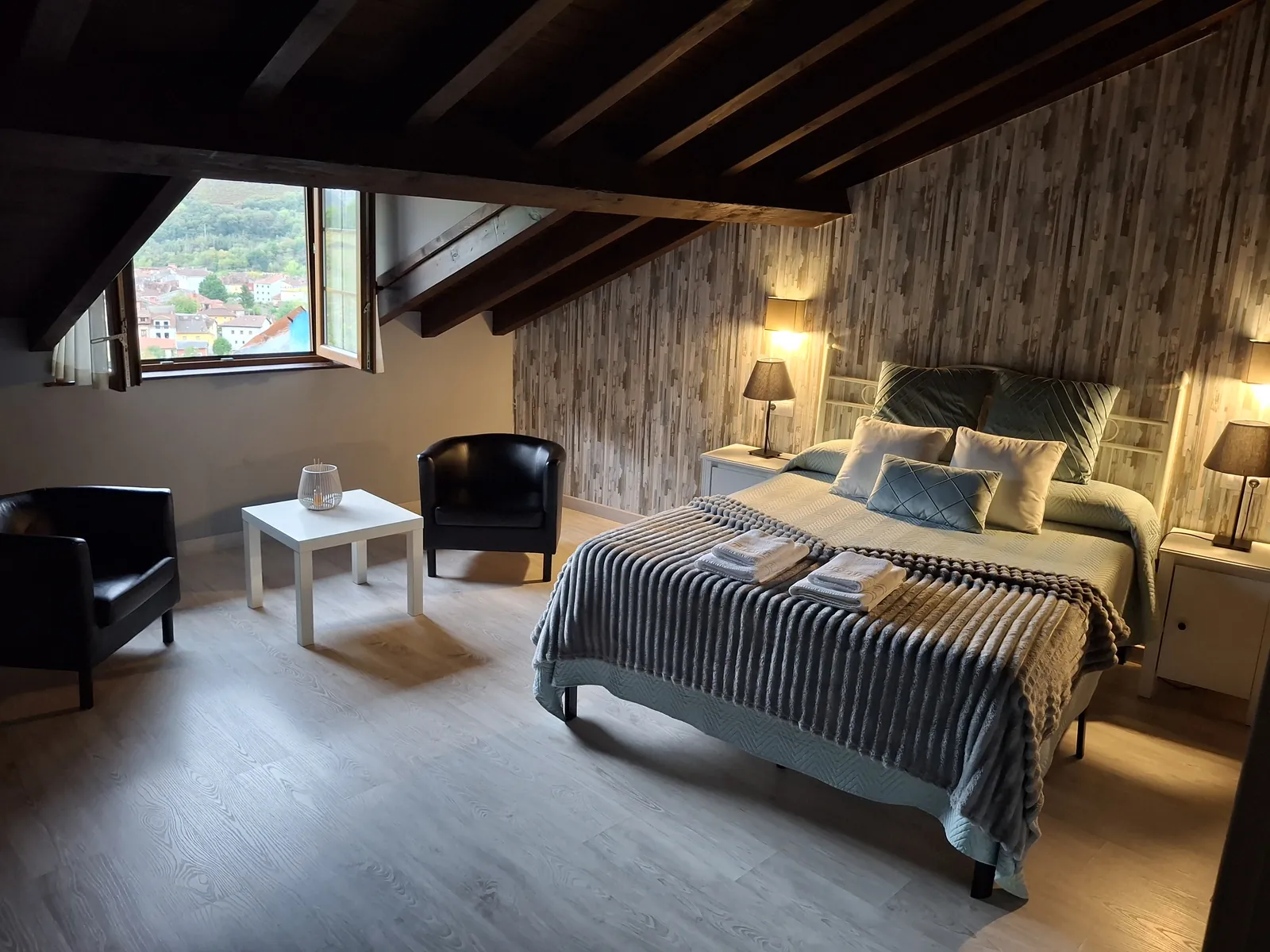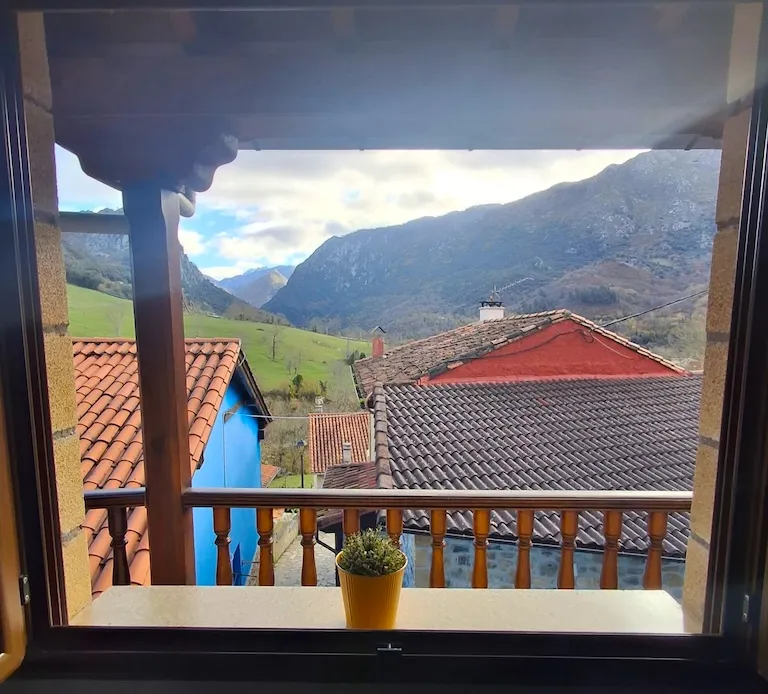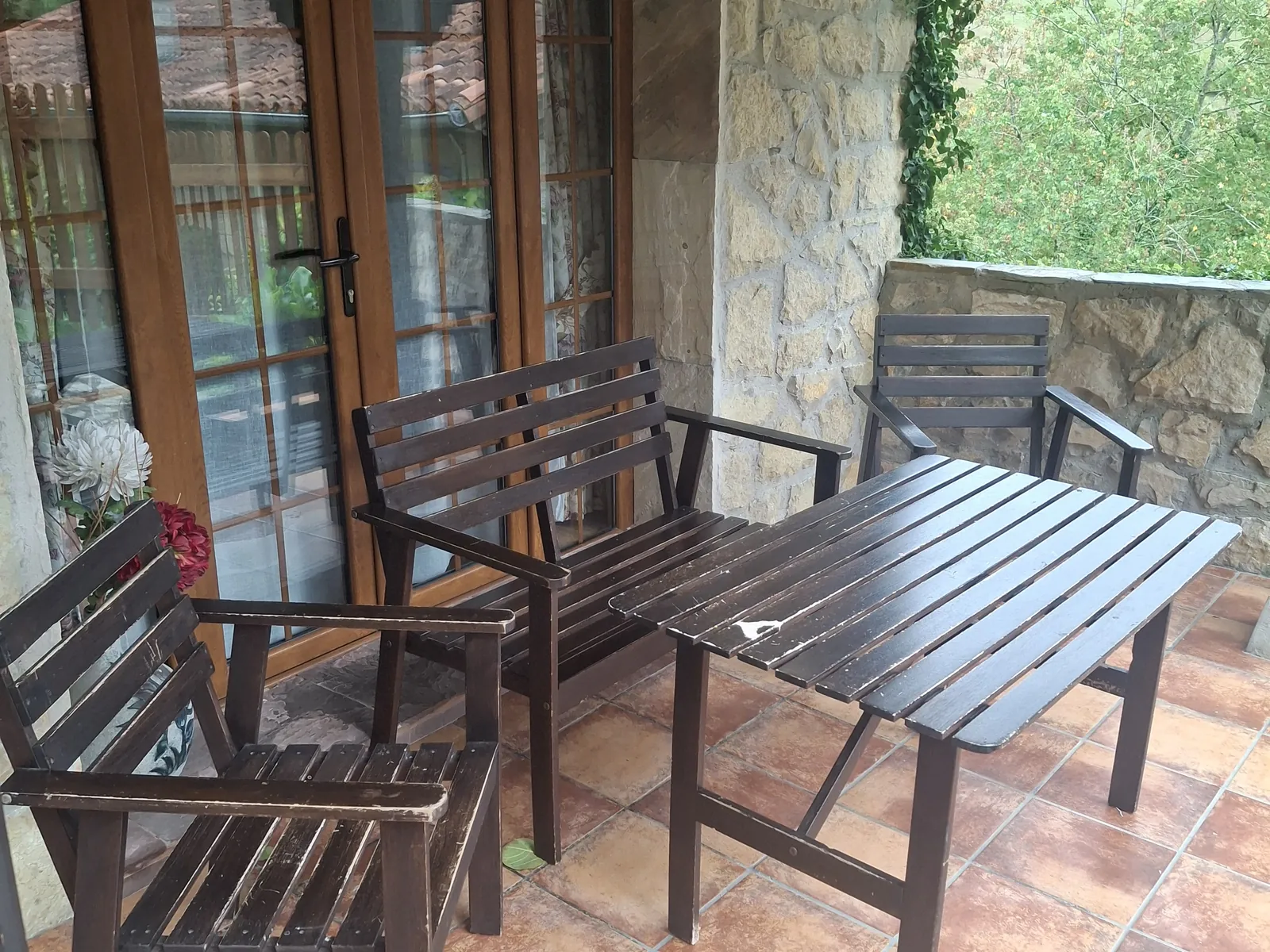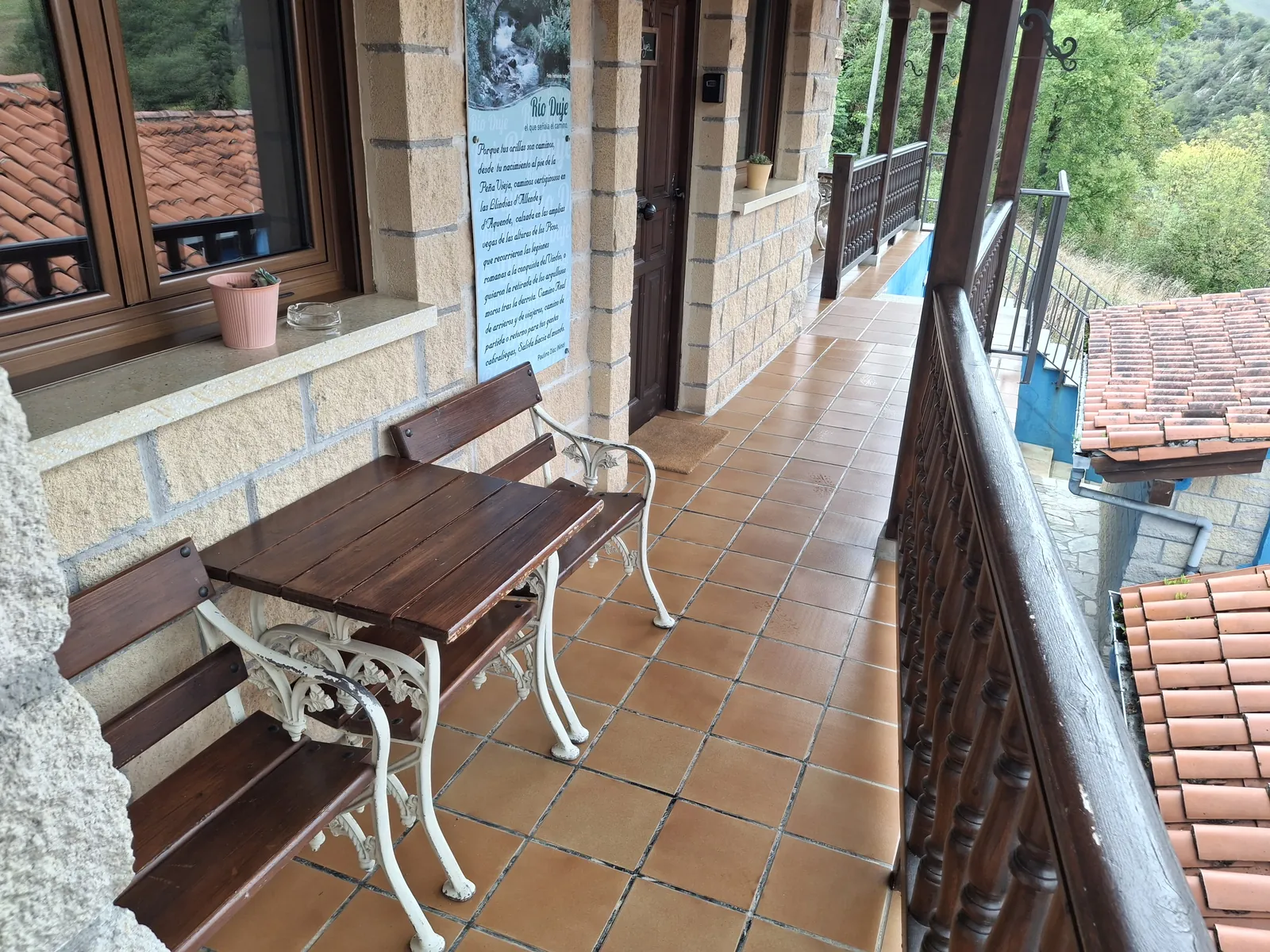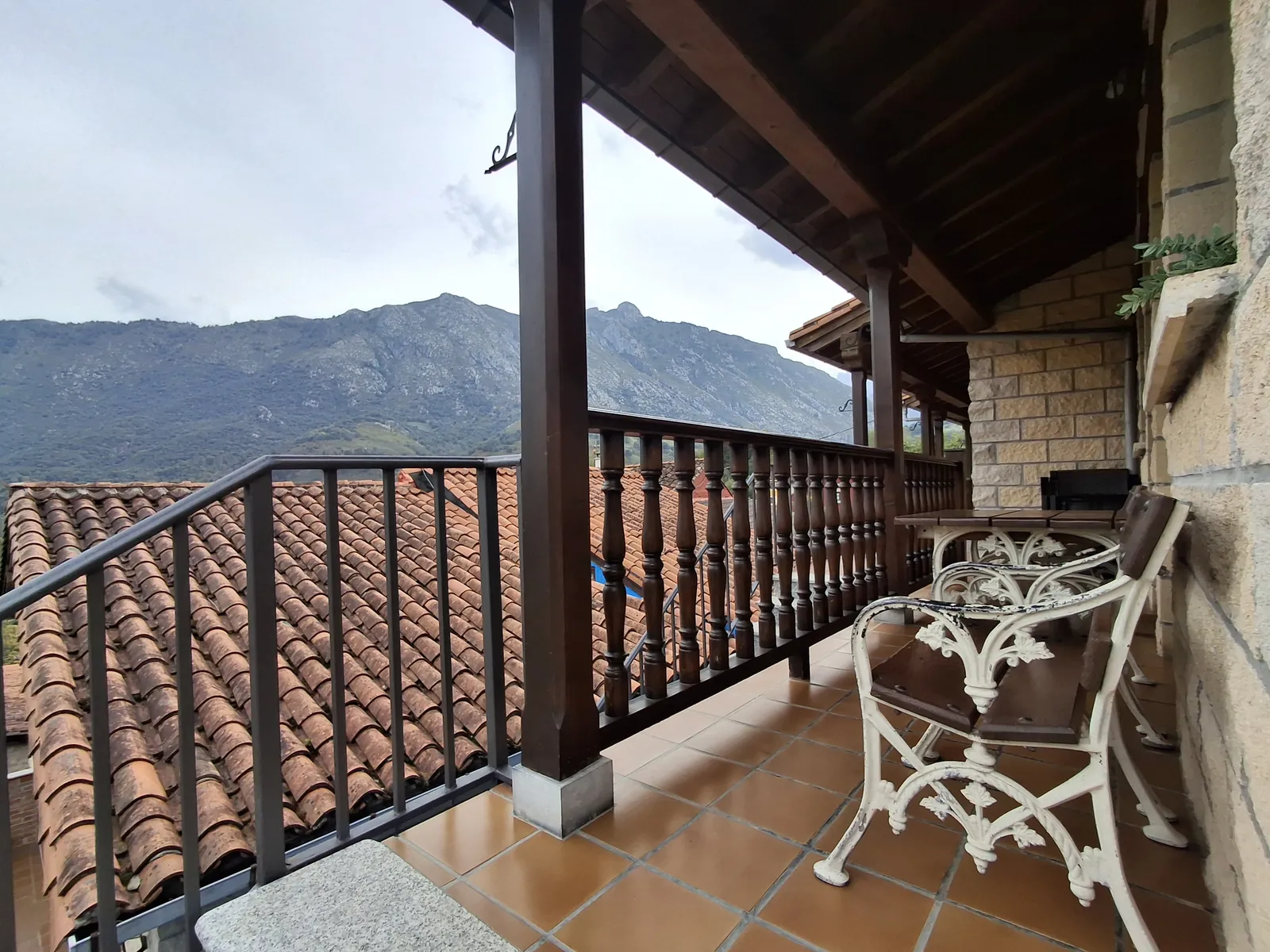

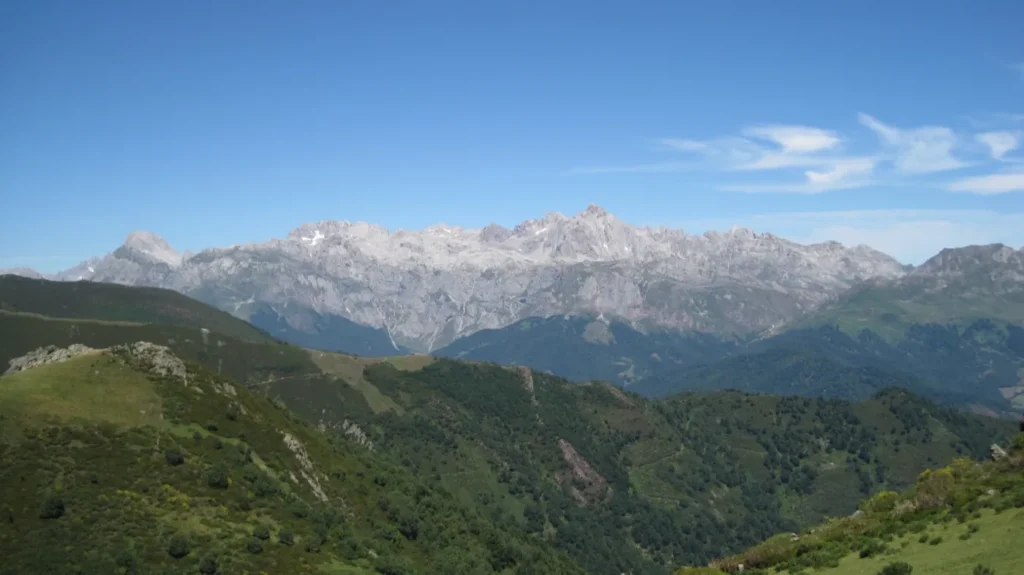
From El Ardinal, the Picos de Europa National Park starts a few kilometres away: Poncebos, the gateway to the Cares Trail and to Bulnes, is 6 km off. Part of the municipality of Cabrales lies inside the park, and that completely changes what you can fit into a few days.
From the sea to 2,600 metres in twenty kilometres
What makes the Picos de Europa singular is not so much their height as their abruptness. They are a limestone massif rising almost straight out of the Cantabrian Sea: in a little over twenty kilometres as the crow flies you go from the coast to summits above 2,600 metres. Torre Cerredo, the highest, reaches 2,648.
That limestone formed more than three hundred million years ago on the floor of a tropical sea, and the movements that raised the Cantabrian range stood it on end. Water did the rest: over millennia it has dissolved the rock and carved out a karst landscape of shafts, caves and sinkholes. Much of the water in the Picos travels inside the mountain, which is why you will find arid summits without a single stream and, further down, springs that gush out with force.
That same process explains the natural caves where Cabrales cheese matures: constant temperature and humidity all year round, with no cold room required.
1918: Spain's first national park
The protection of these mountains grew out of one man's persistence. Pedro Pidal, Marqués de Villaviciosa de Asturias, had climbed the Naranjo de Bulnes in 1904 and had spent years arguing for the conservation of natural spaces along the lines of the American parks. In 1918 the Montaña de Covadonga National Park was declared: the first in Spain.
For almost eighty years the protected area was limited to the western massif. In 1995 it was expanded to take in all three massifs and was renamed the Picos de Europa National Park, stretching across Asturias, Cantabria and Castilla y León. Today it is also a UNESCO Biosphere Reserve.
The name "Picos de Europa" is older than the park, and the traditional explanation says they were the first thing sailors sighted as they approached the coast from the Atlantic: the first glimpse of Europe.
Three massifs, three different mountains
The park is organised into three blocks separated by deep gorges, and each one offers a different experience.
The Western or Cornión Massif is the most visited and the most welcoming, with broad meadows and the Lakes of Covadonga as its gateway.
The Central or Urrieles Massif is the most rugged and vertical, a chaos of bare rock holding the greatest heights and the Naranjo de Bulnes. It is the massif directly above you when you are in Cabrales.
The Eastern or Ándara Massif, the lowest and least frequented, still bears traces of the iron and zinc mining worked until the last century. If you are after solitude, it is here.
Between them, the gorges split the rock in two: the Cares separates the western massif from the central one, and carries the most famous route in the park; the Duje and La Hermida gorges complete the system.
The wildlife you may run into
The chamois is the most characteristic animal and the one you are most likely to see: agile, curious, moving along impossible ledges in the high ground. With patience and binoculars, griffon vultures are a common sight on the walls, riding the thermals.
Harder to spot, but present, are the Cantabrian capercaillie, in a delicate situation, and the bearded vulture, reintroduced to the park after decades of absence. The wooded areas around it are also home to the Cantabrian brown bear, whose population has been recovering in recent years. Seeing one is rare; knowing it is there changes the way you walk through the forest. And if you come in autumn, here is when and where to hear the red deer rut.
A landscape that is also human
It would be a mistake to look at the Picos as untouched wilderness. What you see is the result of centuries of mountain livestock farming. Every summer the shepherds took their animals up to the high pastures, and those clusters of stone huts that appear in the middle of the meadows are still there, some of them still in use.
That way of life is where the district's cheeses come from, along with the architecture of the villages and the very paths we now walk for pleasure: almost all of them were working routes before they were waymarked trails.
Planning your days from Cabrales
Arenas de Cabrales lies on the northern edge of the park, close to the central massif: the Cares and Bulnes are a few minutes' drive away, and the Covadonga Lakes about an hour. One piece of advice that holds in any season: the mountain keeps its own time, fog can close in within minutes, and the temperature up high is nothing like the one down in the valley. Always check the forecast, set out early, and take layers even if it is warm in Arenas.
Bear in mind, too, that in high season some access roads are regulated with shuttle buses and limited parking. It is worth checking the current conditions on the National Park's official website before heading up, because they change from year to year and with visitor numbers.
To start planning, here are the essential hiking routes from Cabrales, ordered by difficulty. And for everything else, have a look at what to do from Cabrales.
Sources: history of the National Park (MITECO, in Spanish), National Park fact sheet (MITECO, in Spanish).