
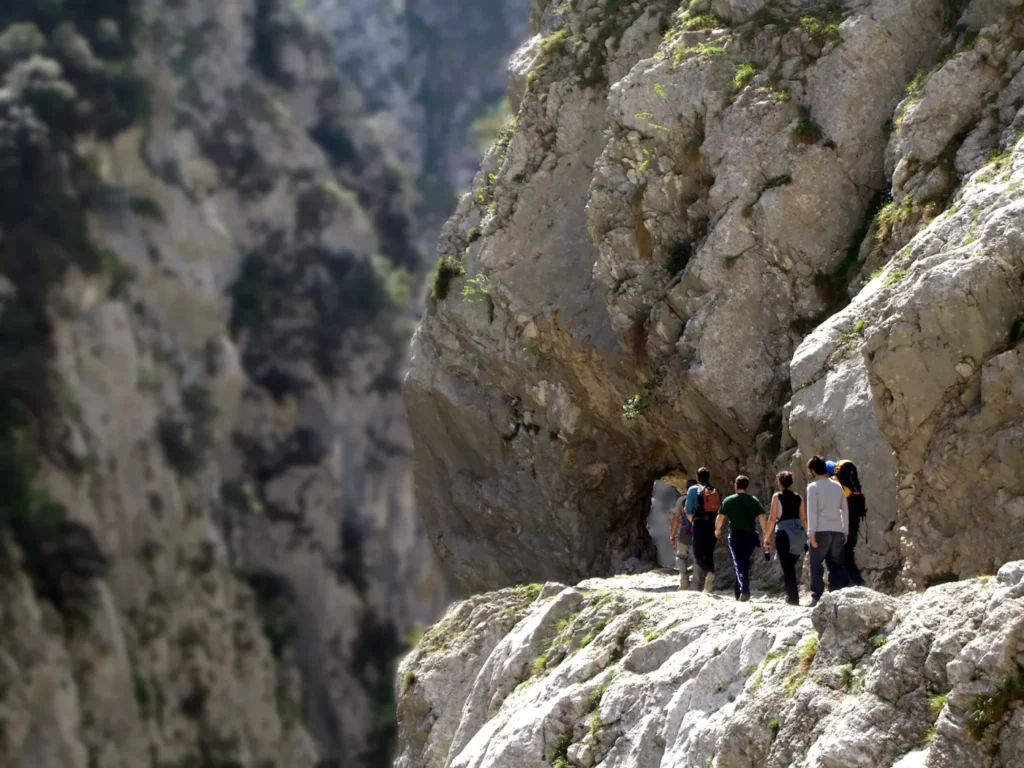
If you are only going to do one walk in the Picos de Europa, make it this one. The Cares Route, known as "the divine gorge", is the most famous trail in the National Park: twelve kilometres carved halfway up the rock face above the Cares river, between walls that in places close in until only a sliver of sky is left overhead.
The numbers, to give you an idea
The classic route links Poncebos, in Cabrales, with Caín, already in the province of León, and it separates the western massif from the central one. It is about twelve kilometres each way with around 450 metres of accumulated elevation gain, spread across a path that constantly rises and falls hugging the rock.
There and back is six to eight hours at an easy pace. One way only, at a brisk pace, comes out at a long two and a half hours. It is not a technical route and requires no mountain experience — the path is wide and well maintained — but it does demand a minimum of fitness and a level head: there are stretches with a considerable drop on one side.
A feat of engineering before it was a walk
What is today an iconic trail began life as a hydraulic project. It was cut between 1915 and 1921 to build a channel feeding a hydroelectric plant, with close to five hundred workers opening the way pickaxe in hand through solid rock. Eleven of them died in accidents, most from falls.
The channel was widened later, between 1945 and 1950, with a new crew and, again, fatalities along the way. That channel is still there, running parallel to the path and disappearing into tunnels: much of what you walk on is, quite literally, the service road for the works.
It is worth walking the gorge with that in mind. With a handrail, a well-kept surface and technical footwear, it is hard to imagine what it took to open that line hanging from a rope.
The 2011 rockfall
The gorge has its own recent history too. In 2011 part of a cliff face collapsed onto the path, which stayed closed until it reopened in July 2012 with a cantilevered walkway over the collapse site. Today it is one of the most photographed stretches of the whole route.
There and back, or one way
This is the decision that shapes the day most. There and back from Poncebos is the simplest to organise: you leave the car where you left it and depend on nobody. It is what most people do.
The full crossing to Caín in one direction is more rewarding, but it means solving the return before you set off. Worth knowing, because it catches many people out: there is no public transport between Caín and Poncebos. By road you have to drive right around the massif, and that link is covered only by private taxis booked in advance, at a price counted in hundreds of euros per vehicle. The regional seasonal bus reaches Poncebos on the Asturian side, but it does not go down to Caín.
So if you intend to walk the whole gorge, arrange the return beforehand or organise it with two cars. Improvising in Caín in the late afternoon is expensive.
And there is a third option that gets mentioned far less and works very well: walk as far as you feel like and turn back. The most spectacular part of the route starts soon after leaving Poncebos, so two hours out and two back make for a very complete day without committing to the whole thing. It is the best formula if you are with children or with people walking at different paces.
What to take, and a warning about water
Water is the critical point. Along much of the route there are no springs and no shade, and the gorge works like an oven in summer: the rock stores heat and gives it back all afternoon. Take considerably more than you think you need, and a hat.
Footwear with a grippy sole — there are stretches with loose gravel — sun protection and something to eat. There are no facilities along the way, so you leave Poncebos with everything you are going to need.
When to go
Spring and autumn are the best seasons: pleasant temperatures and far fewer people. In July and August the route fills up, especially between mid-morning and mid-afternoon, and the heat is serious.
If you go in summer, set off early. You gain shade in the first hours, a reasonable temperature and a gorge that feels rather more like your own.
Bear in mind, too, that the Poncebos car park fills up early in high season. Over Easter, on May weekends and from 1 June to 12 October there is a bus from Arenas de Cabrales to Poncebos, with departures spread through the day, which is the easiest way to avoid fighting for a space. Timetables and fares for each season are published by the Asturias Transport Consortium.
And if reading all this makes you think it is not your walk — or not the right one for the group you are travelling with — the Foces del Casaño offer the same landscape of rock and water on a short, level path, with no exposure and no climbing.
From El Ardinal
From El Ardinal, Poncebos is 6 km away, about 12 minutes by car, so you can set off early without a punishing start and be back for lunch.
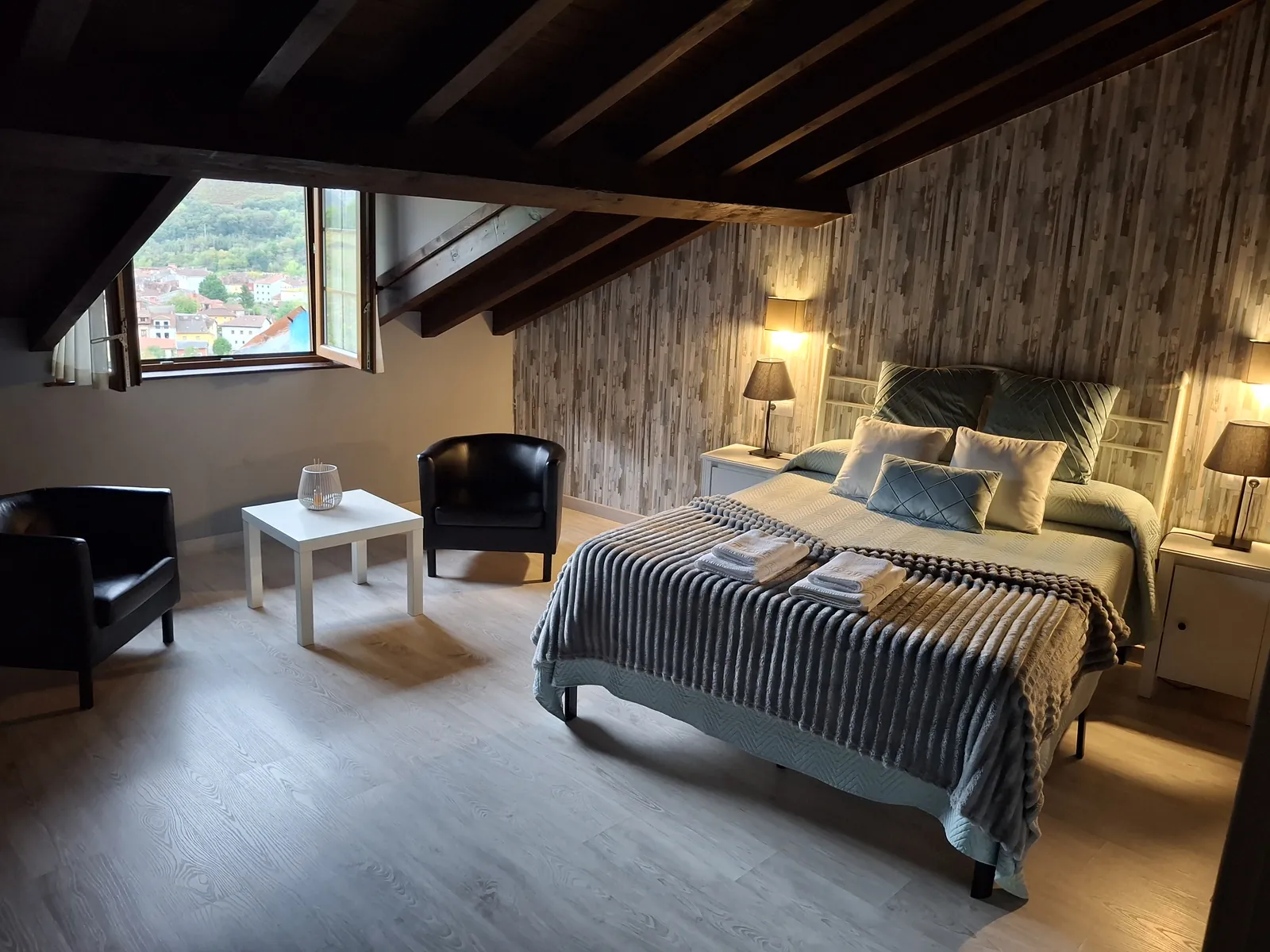
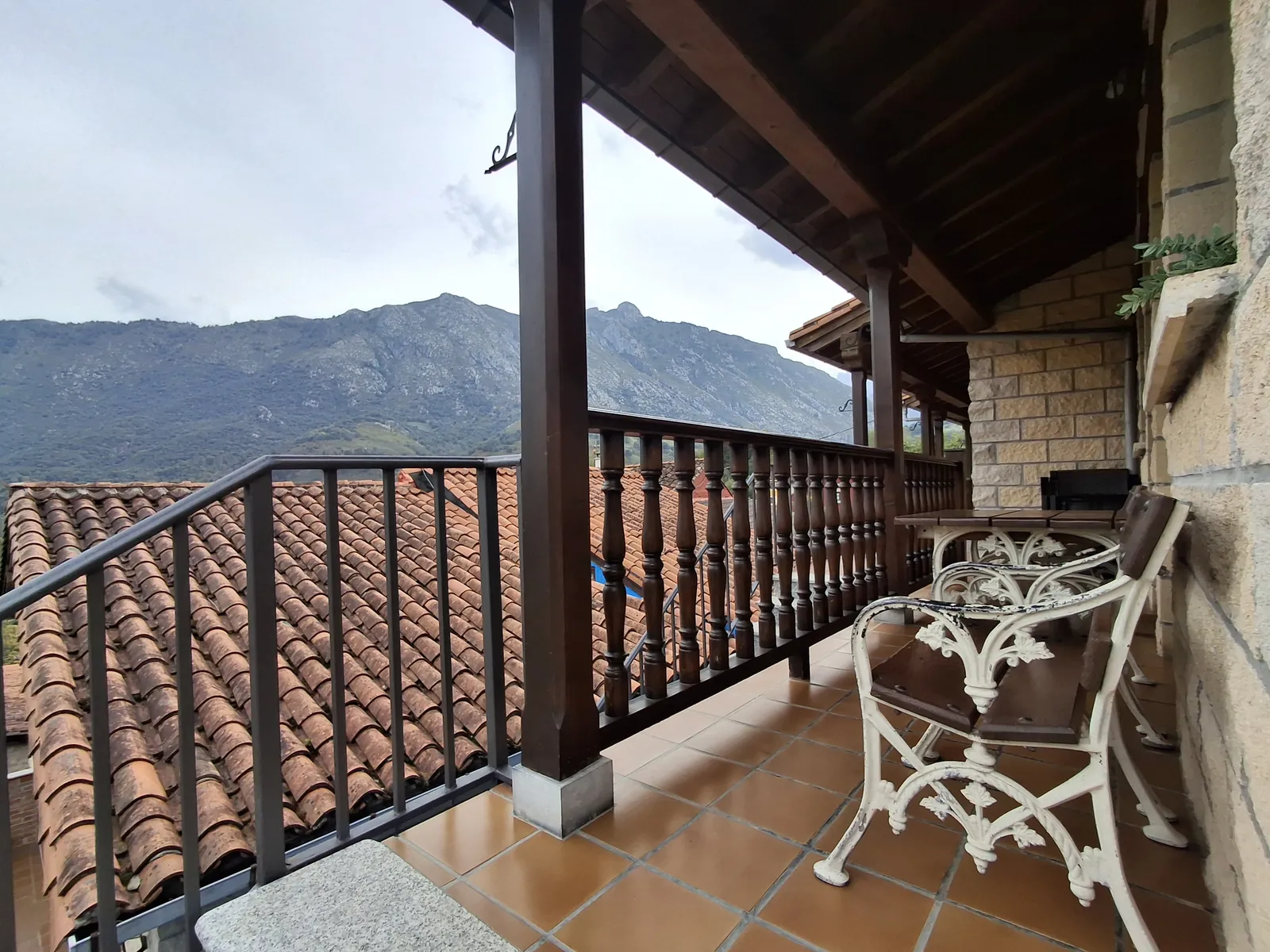
If there are several of you, or two families, the best fit for a day in the gorge is the Cares apartment: a two-floor duplex with two bedrooms and two bathrooms, designed for four to six people — which is exactly when you would rather not be sharing a single bathroom after twelve kilometres.
If you are still deciding where to base yourselves, where to stay for the Cares Trail covers which apartment suits your group and how to plan the day.
And afterwards, the obvious reward: a fabada or a cachopo in Arenas tastes different after twelve kilometres of gorge.
Left wanting more? Have a look at the rest of the hiking routes from Cabrales, including the climb to the foot of the Naranjo de Bulnes.