
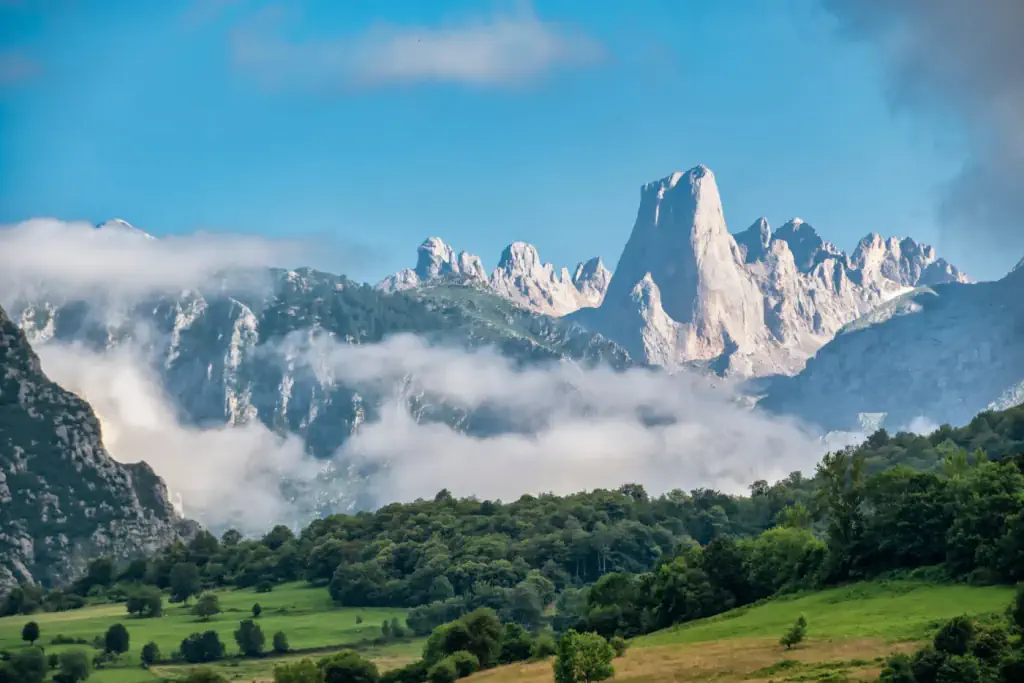
Autumn is probably the best time of year to walk in the Picos de Europa. There are fewer people, the temperature is kind and the beech woods start to change colour. But the mountains in October are not the mountains in August: the days are shorter, fog rolls in without warning and the ground stays wet for longer. There have already been several rescues in the area this September, and almost all of them have something in common: the day went wrong because of things that can be foreseen.
This is not meant to scare anyone. It is so that you set off knowing what to expect. These tips will help before you get in the car to Poncebos or Sotres.
1. Expect fewer hours of daylight than it seems
This is the most common autumn mistake: planning the route with your head still in summer. In Arenas de Cabrales, at the end of September, the sun sets at around 20:10; by mid-October, at around 19:40. And on the last Sunday of October (this year, the 25th) the clocks go back: from that day it gets dark shortly after 18:15, and by mid-November, before 18:00.
There is one more detail: inside a gorge or on a north-facing slope, usable light runs out well before official sunset. The practical rule is simple: set a turn-back time and stick to it, even if you have not reached where you wanted to go. And always carry a head torch or, at the very least, a fully charged phone.
2. Fog changes the rules
In the Picos, fog can close in within half an hour on a day that started clear. When it does, the landmarks disappear: high mountain paths, which in many places are marked only with stone cairns, become hard to follow, and it is very easy to end up on a steep slope or in thick scrub that is hard to get out of.
- Check the mountain forecast, not the village one. The AEMET forecast for the Picos de Europa gives the weather at altitude, which can be very different from the weather in Arenas.
- Download the track to your phone or a GPS, and carry a paper map if you are heading high. In many places there is no signal.
- If the fog comes in and you are not sure of the way, stop. Retracing your steps along the way you came is almost always better than looking for a shortcut.
3. Wet rock, leaves and mud
Picos limestone grips well when dry, but it gets very slippery when wet, and in autumn it stays wet for longer: morning dew, drizzle, shade that never dries out all day. The beech woods add another trap: fallen leaves hide stones and roots.
Wear proper mountain boots with a good sole, not smooth trainers. And if you like walking poles, now is the time to bring them: you will notice the difference on the way down.
4. The Cares Trail in autumn
The Cares Trail is not a technical route, and in autumn it is more enjoyable than in summer: less heat and fewer people. But it is worth remembering what it involves: long stretches beside an unprotected drop, loose gravel in some places and rock that is slippery when wet.
- Always keep to the wall side, especially when passing other walkers or stopping for photos. Take photos with your feet still and well away from the edge.
- If it is raining or has rained heavily, think about whether today is the day. Small stones can fall from the walls.
- Plan the out-and-back carefully. It is about twelve kilometres each way. With short days, you do not need to reach Caín to enjoy the Cares: the most spectacular stretches begin soon after Poncebos.
- Check the Park's notices before you set off. When there are closures for works or rockfalls, the official National Park website publishes them.
5. Choose the route for the group, not for the photo
A lot of trouble starts with a route that was too much for someone in the group. Before you set off, think about whoever will find it hardest: their fitness, their experience and how comfortable they feel near drops. They set the route.
There are very good alternatives if the day or the group will not stretch further:
- The Foces del Casaño: level, by the river and with no exposure.
- Taking the funicular up to Bulnes from Poncebos and strolling round the village, with no long climb.
- The first stretch of the Cares, there and back, with a set time to turn round.
The article on hiking routes from Cabrales has more ideas to choose from depending on your group.
6. What to pack in autumn
In summer the worry is water and heat. In autumn, add cold: if you are stuck for an hour at altitude, in fog and wind, the temperature drops fast.
- A warm layer and a waterproof, even if the sun is out.
- Plenty of water and food: more than you think you will need.
- A head torch and a charged phone, with a power bank if the route is long.
- A hat and thin gloves if you are going high. They weigh little and make a big difference.
- A small first-aid kit.
7. Knowing when to turn back
In the mountains, turning back in time is a good decision. Nobody talks about the routes they did not finish, but many rescues begin with "since we're here, let's go a bit further". There are clear signs that it is time to head back:
- You have passed the turn-back time you set yourselves.
- The fog is coming down and you can no longer see the next waymark.
- Someone in the group is tired, cold or does not feel safe on a section.
- The ground has become harder than expected: wet rock, a steep slope or a step you are not sure how to get down.
The mountain will still be there tomorrow, and you can come back another day.
8. Before you go, and if something goes wrong
Tell someone where you are going and what time you plan to be back. It is the simplest step, and the one that saves the most time if anyone needs to be found.
If you have an accident or get lost, call 112. They will put you in touch with the mountain rescue teams. In the meantime:
- Stay where you are if you are not sure of the way. Moving without landmarks makes the search harder.
- Put on warm layers and save battery: turn the brightness down and close anything you do not need.
- If there is no signal, try from a more open or higher spot nearby, as long as it is safe to reach.
An autumn to enjoy
None of this should put you off. Autumn in the Picos is quiet, the light is beautiful and the walks are a pleasure. With the forecast checked, a turn-back time and a well-packed rucksack, you will enjoy it far more. And if you fancy a different kind of early start, it is also the season of the red deer rut.
From El Ardinal, Poncebos is 6 km away, so you can set off first thing and be back with time to spare.
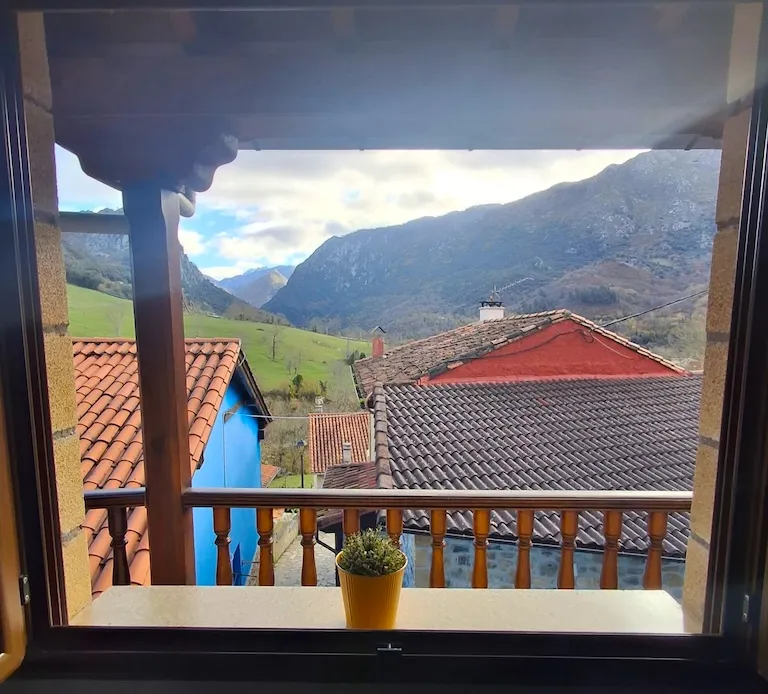
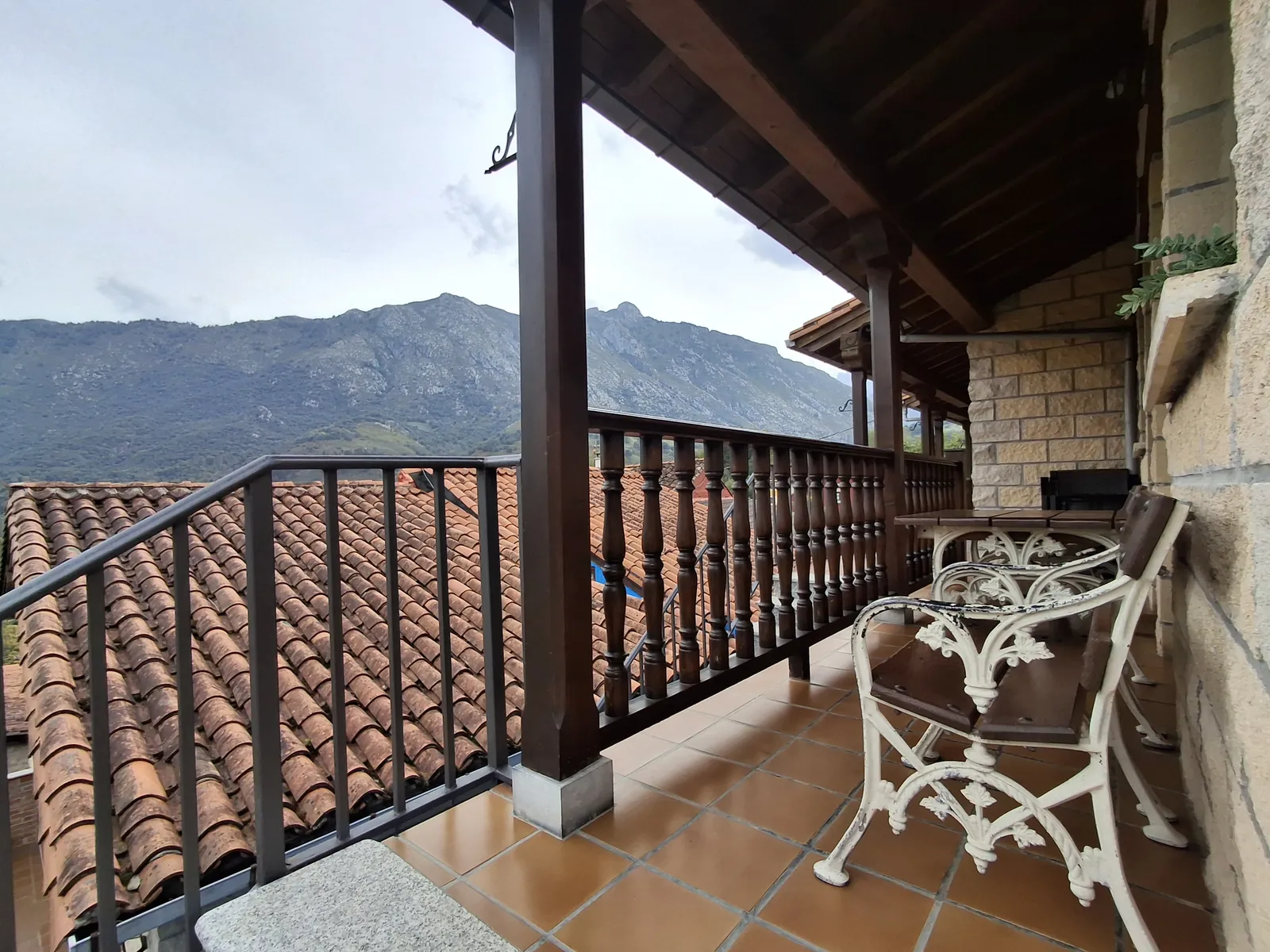
And if the day starts out cloudy, there is always an autumn plan indoors: Cabrales cheese, an unhurried fabada and the mountains seen from the window.