
At the foot of the Picos de Europa, water takes centre stage too. The Sella runs down from the mountains towards Arriondas and Ribadesella, and along that final stretch it has become the setting for one of the best-loved traditions in Asturias: paddling down it.
The International Sella Descent
The event was born in 1930, when Dionisio de la Huerta set in motion the idea of coming down the river by canoe between Arriondas and Ribadesella. Almost a century later it draws thousands of paddlers from all over the world and lines the banks with spectators.
The date follows a rule of its own worth knowing, because it is not fixed: it is held on the first Saturday in August after the 2nd. In other words, if the 1st or the 2nd falls on a Saturday, that one does not count and the race moves to the following weekend. It is worth checking the current year's date on the official website before planning anything, especially if you are looking for somewhere to stay: it is the single busiest weekend of the Asturian summer.
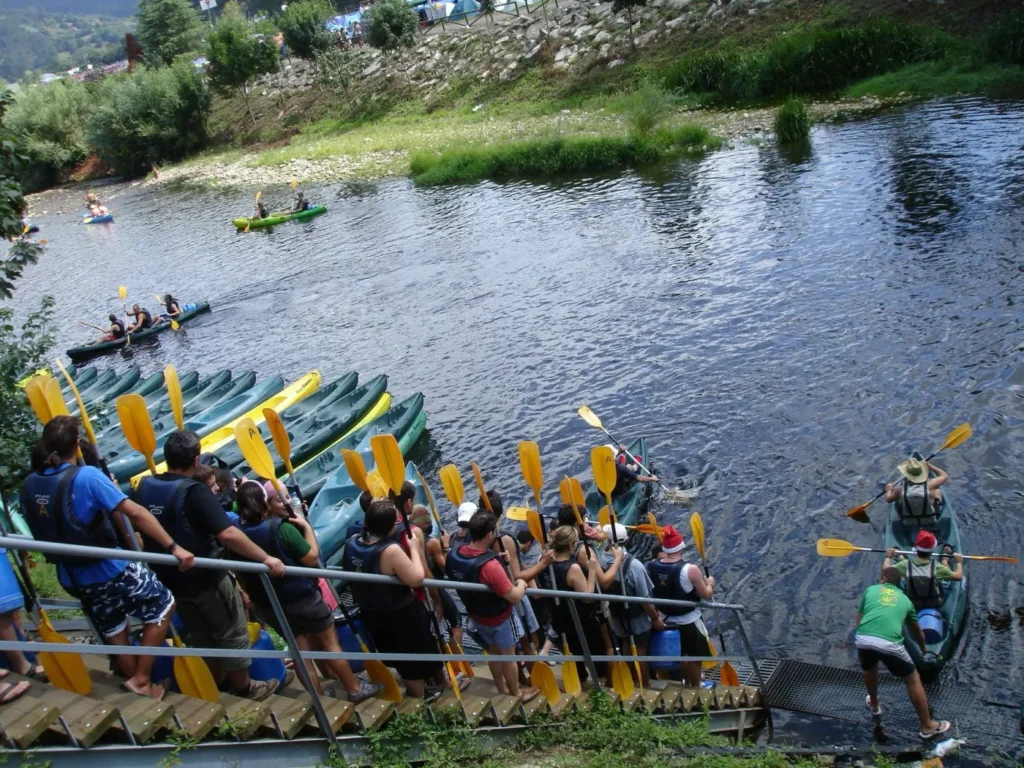
The competition covers the 20 kilometres between Arriondas and Ribadesella. The start is one of the best-known images in Spanish sport: the paddlers run to the water with their canoes on their shoulders before setting off, all at once.
A festival watched from the bank
It helps to understand that the Descent is as much a country fair as a race. Most of the people who turn up that day are not there to paddle: they are there to watch the river go by. The banks fill from early morning, there is music, and the atmosphere follows the paddlers along all twenty kilometres to the river mouth.
The finish, in Ribadesella, is the high point: the town throws itself into the arrival and the party carries on long after the last competitor is in. If you go that day, expect heavy traffic, difficult parking and an early start. And if what you are after is peace and quiet, that is precisely the weekend to avoid: the river is still there for the rest of the summer, and far more peaceful.
Paddling it yourself, any day of the summer
You do not have to wait for the race, and you need no experience at all. Throughout the season, several local outfitters hire out canoes to do the same run at your own pace, with the gear and transport included.
It is a gentle descent. On this stretch the Sella has no serious rapids: it is a matter of drifting along between wooded banks, with the odd livelier section and plenty of stops for a swim. It takes three or four hours including a picnic, and it is perfectly manageable as a family.
The usual minimum age is six, though some companies take children from five if they are around 1.15 m tall and can swim; the child rate normally applies up to twelve. Prices run to roughly €25–35 per person, including canoe, buoyancy aid, dry barrel and transport back.
Each company sets its own conditions and pick-up times, so it is worth booking ahead in high season and confirming them directly. Message us on WhatsApp and we can point you to the ones working the area.
What to bring, and what not to
Clothes you do not mind getting wet, and closed shoes you can also get wet: flip-flops get lost. Generous sun protection, because on the water you burn without noticing, and a hat. Phone and wallet in a dry bag, or better still left in the car.
Bring water and something to eat: most people stop halfway at one of the river beaches, and that stop is half the day out.
Wilder water, closer to home
If you want something more technical and would rather not drive to Arriondas, the rivers of the valley itself offer something different. The Cares and the Duje run hemmed in between limestone walls, and canyoning is practised in several gorges in the area.
Here the recommendation is firm: these are activities to do with a guiding company and proper equipment. Mountain water is cold all year round, flow rates change quickly after rain, and a canyon does not forgive improvisation.
From El Ardinal
From El Ardinal, Arriondas is under an hour away by car, which makes the Sella descent a comfortable full-day plan: paddle in the morning, eat locally and come back to the calm of Cabrales in the afternoon.
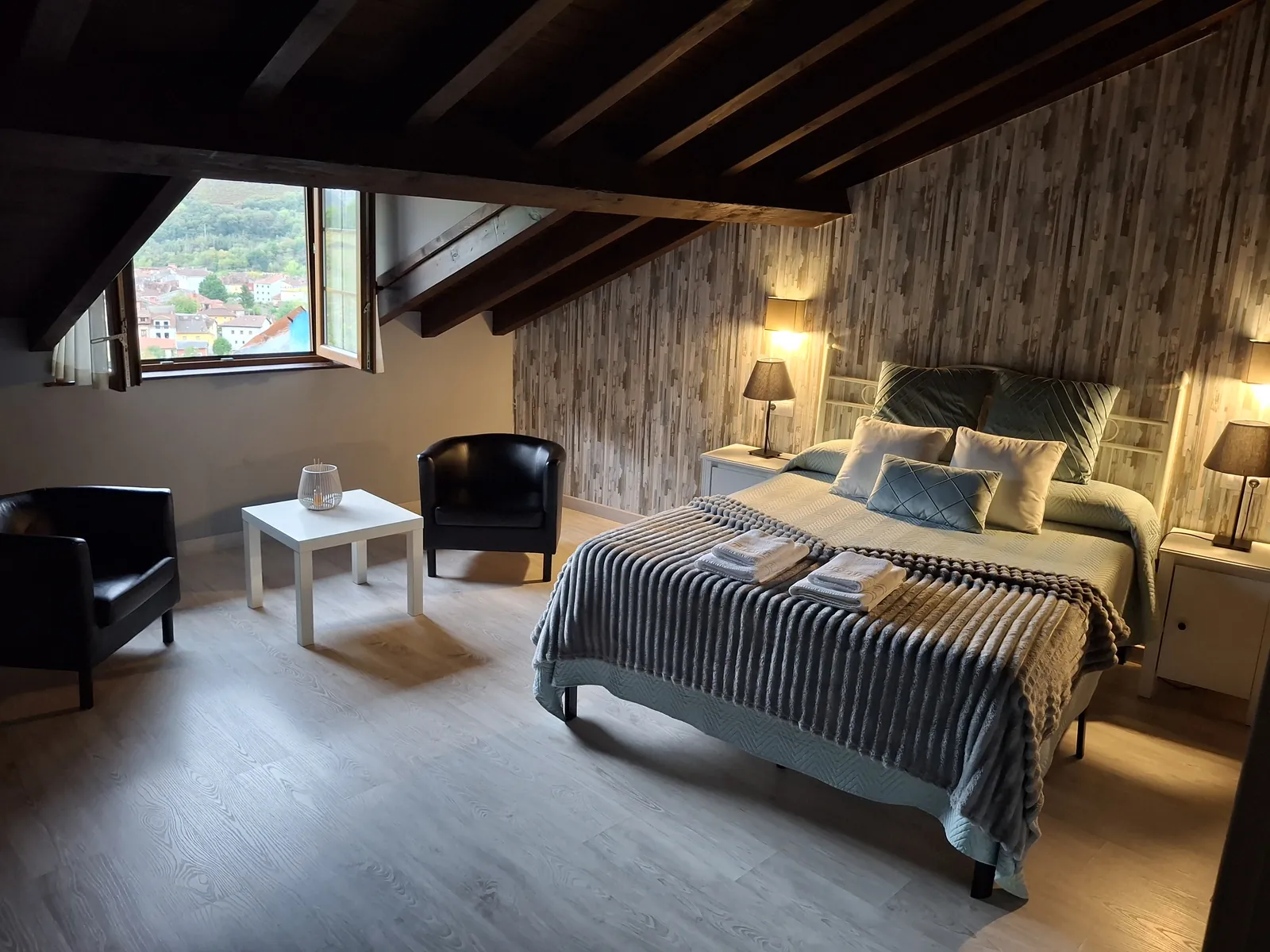
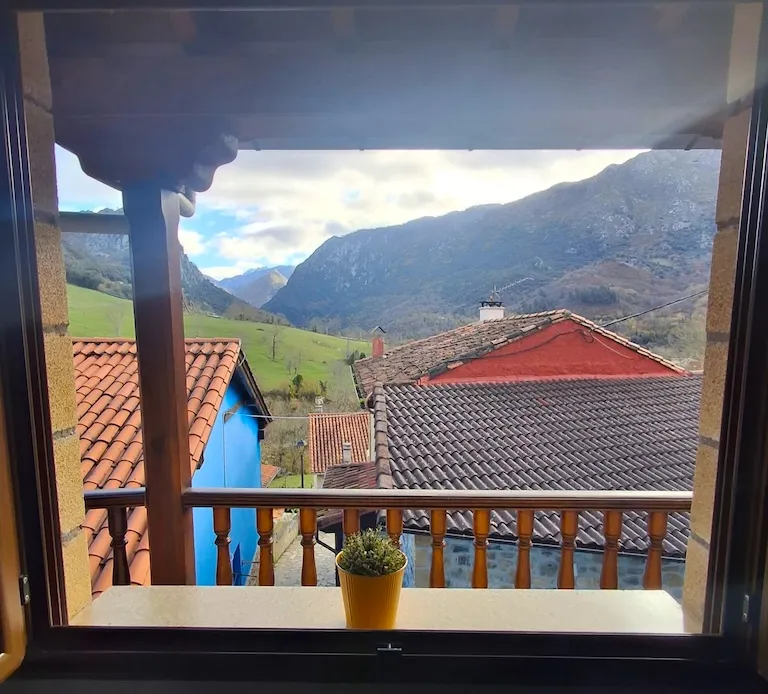
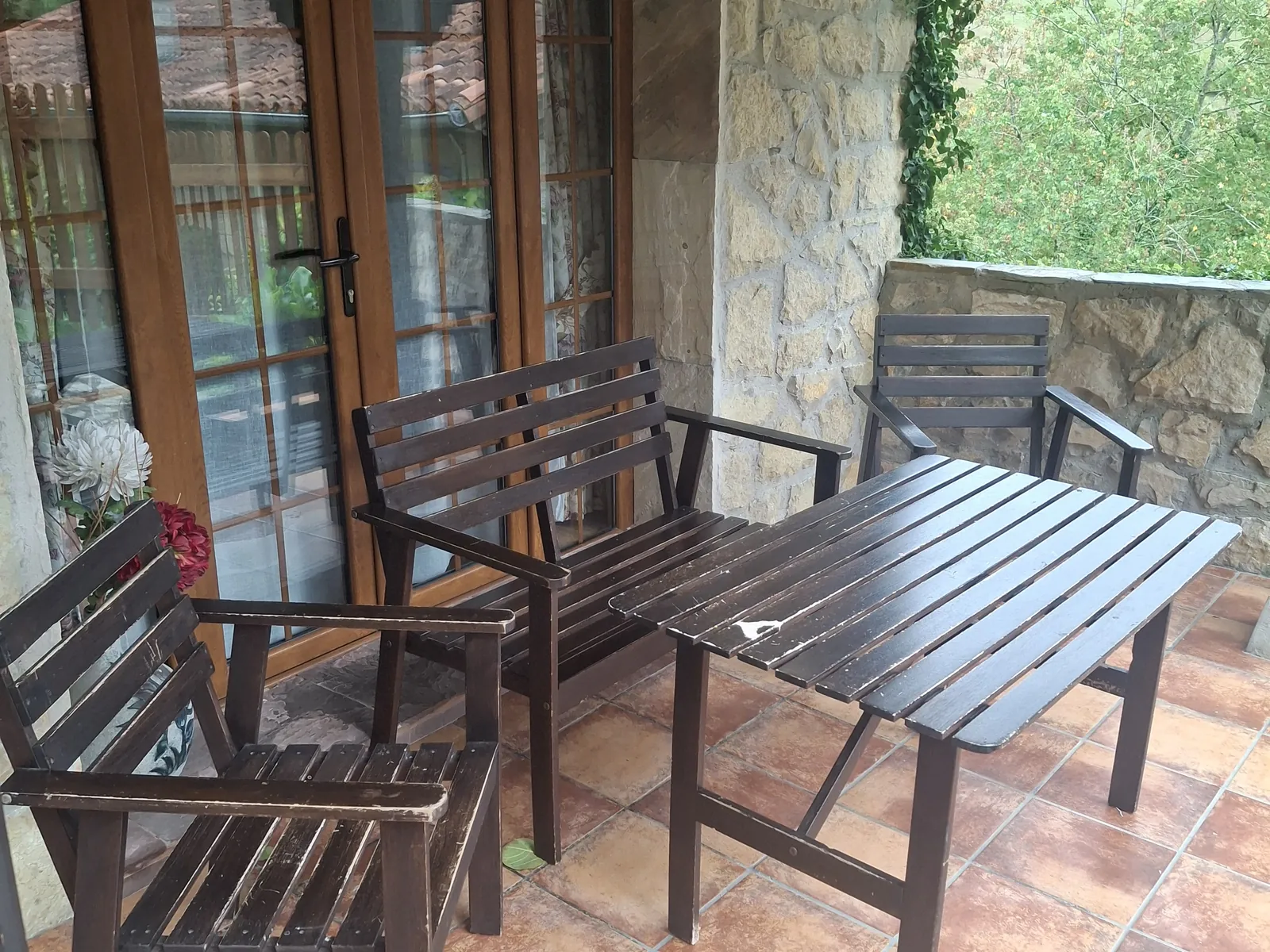
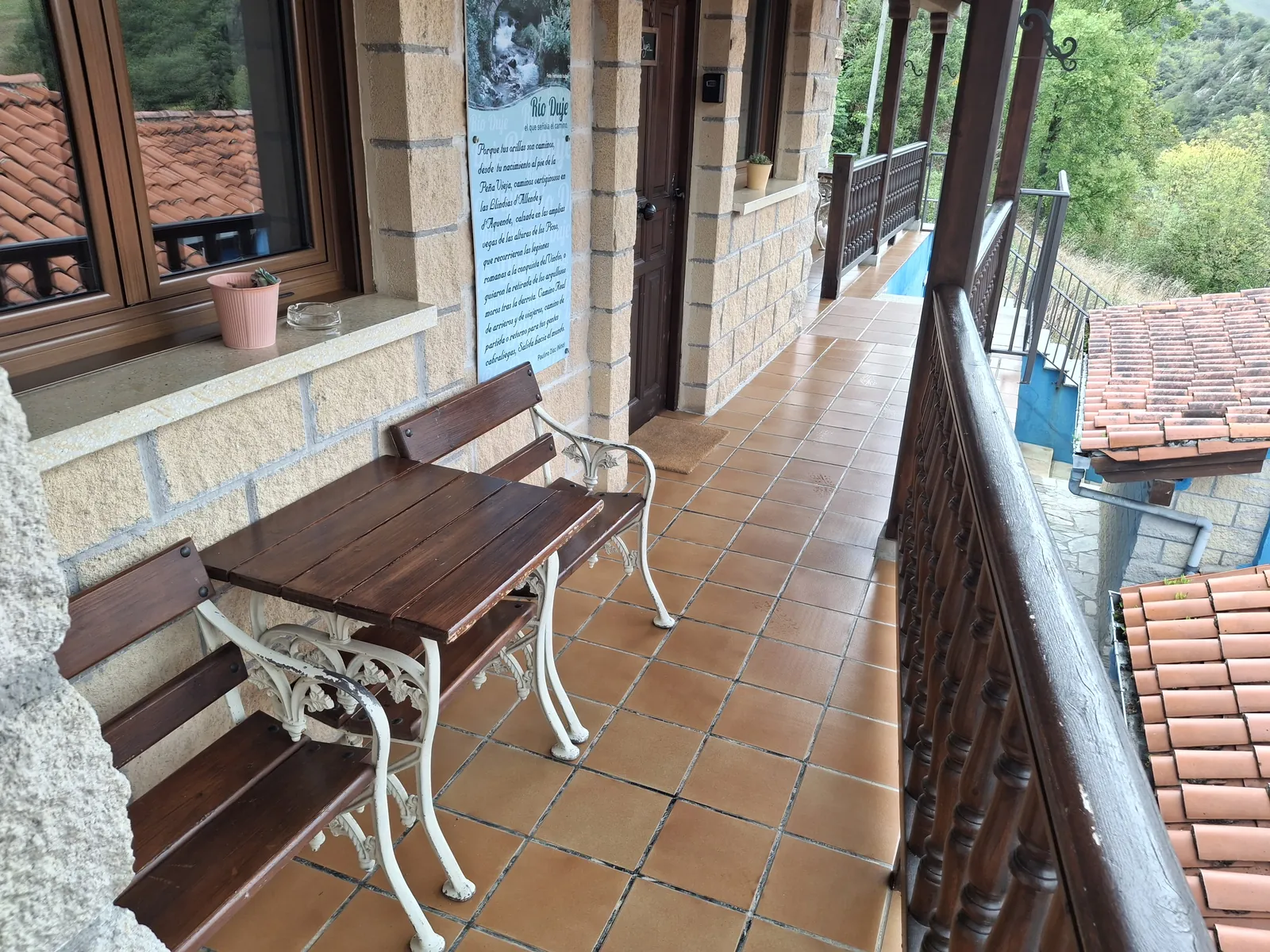
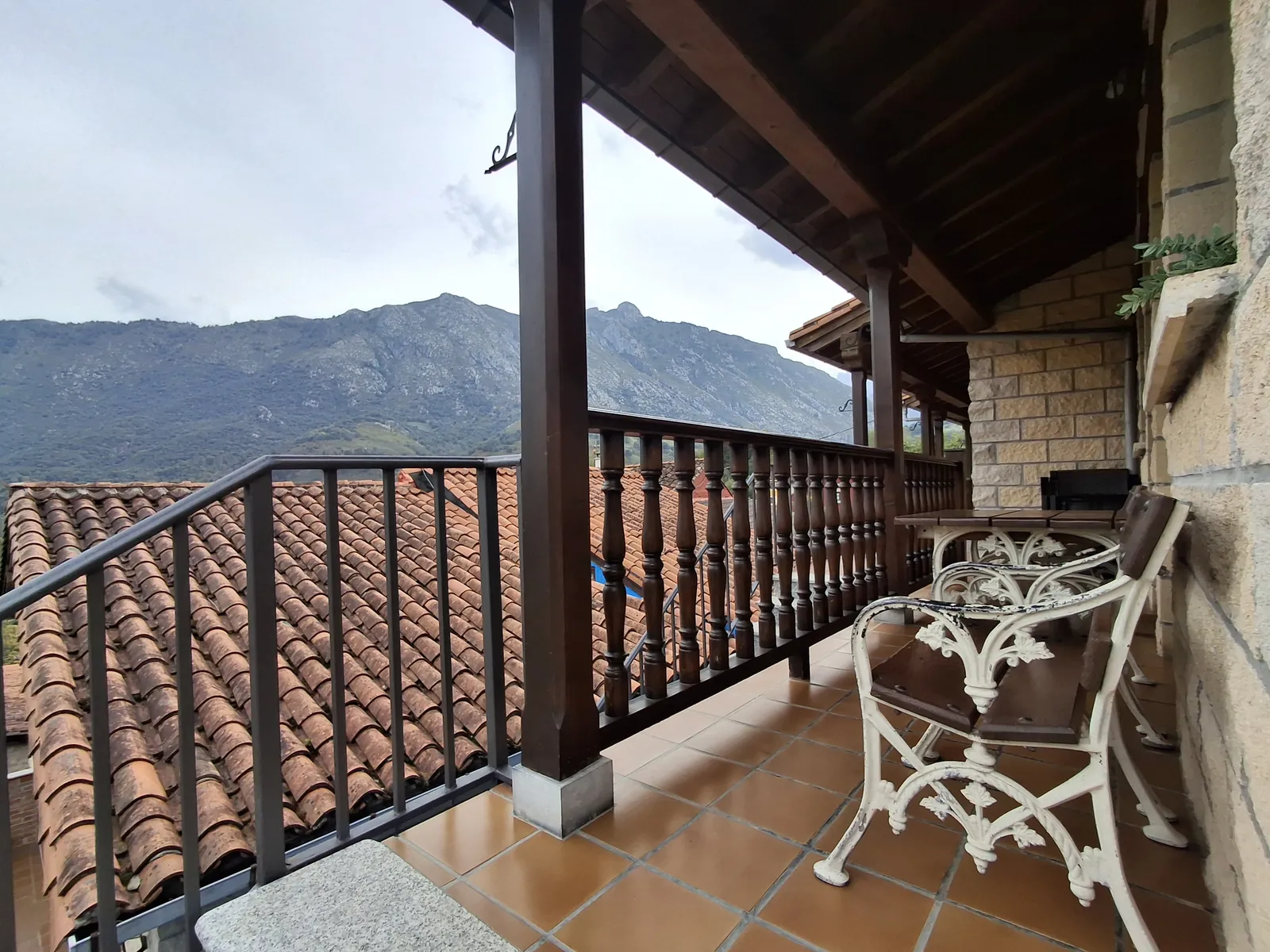
Coming back with wet clothes and four beach bags is easier when you have a house to yourself. That is what La Casina is for: a detached two-floor cottage with a panoramic porch, where hanging things out to dry and making a bit of noise bothers nobody.
It is also the best way to break up a week in the mountains. After two or three days of hiking, a day on the river does the legs good.
More water plans? The Llanes coast is a similar distance away, and back at the table Cantabrian fish is the logical consequence of a day near the sea.