Today, 6 October, is International Geodiversity Day. UNESCO proclaimed it in 2021 to talk about the non-living part of nature: rocks, minerals, soil, relief, rivers. It sounds like a school subject and it is the opposite, at least here.
Because in Cabrales a single rock explains three things visitors see separately and never connect: why the Cares gorge exists, why there are caves in the mountain, and why the cheese matures inside them.
Twelve hundred metres of limestone
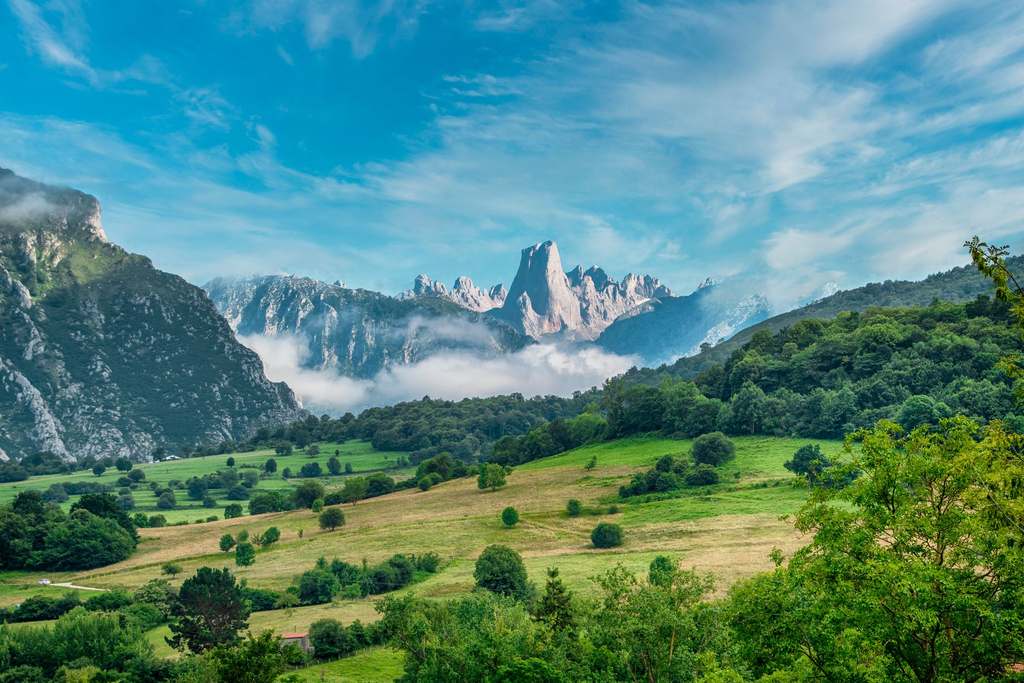
The massifs of the Picos de Europa are made up above all of Carboniferous marine limestone, some 300 million years old, in a thickness that in the western massif, the Cornión, according to Spain's Geological and Mining Institute exceeds 1,200 metres. In other words: what you see from the village is over a kilometre of rock formed on the floor of a warm sea, later lifted to where it stands now.
That limestone is the detail everything else depends on, because limestone has a property granite and slate do not: water dissolves it.
Which is why the water disappears
The combination of that rock, a dense network of fractures for water to slip through, and the rain that falls on this corner of the Cantabrian coast has made the Picos, in the Geological and Mining Institute's own words, one of the world's great limestone massifs.
Karst means this: water gets in through the cracks, dissolves the rock from the inside over millennia and opens conduits, shafts and caves. That is why up on the massifs there is so little surface water despite the rainfall. It is not that there is none: it runs inside.
The gorge was not cut by the river alone
The Cares Trail runs through a fluvial gorge carved by the river into those limestones. But the Geological and Mining Institute adds a nuance that changes how you look at the landscape from the path: the network of karst conduits inside the massifs contributed to forming it. The rock was already riddled from within when the river finished the job.
And there is another detail, almost from a textbook: the gorge crosses, almost perpendicularly, the sheets of rock thrust one over another that make up this part of the range. Walking it, you pass through structures one after another that anywhere else you would have to imagine.
The story of the path itself, which began as a hydroelectric canal between 1915 and 1921 with five hundred men cutting into the rock, is in our article on the route. What matters here is what lies underneath.
And that is why the cheese tastes like this
Here is where the geology becomes edible. The caves the water opened in the limestone hold very stable conditions all year, and they are exactly the ones Cabrales cheese needs in order to mature: its designation of origin requires it to age in natural mountain caves for two to four months, at around 90% humidity and between 8 and 12 degrees.
Nobody designed that. Limestone, water and rain made the caves, and somebody here worked out centuries ago that cheese changed inside them. The flavour you take home is, looked at closely, a by-product of the geology of the massif.
Where to see it, without being a geologist
- On the Cares, in the sheer walls and the holes in the rock above the path.
- At the Cabrales Cheese Cave, in Arenas, open all year. Best to call ahead and book: +34 985 84 67 02.
- In the colour of the river, that green that looks made up. It is water that has passed through the inside of the limestone.
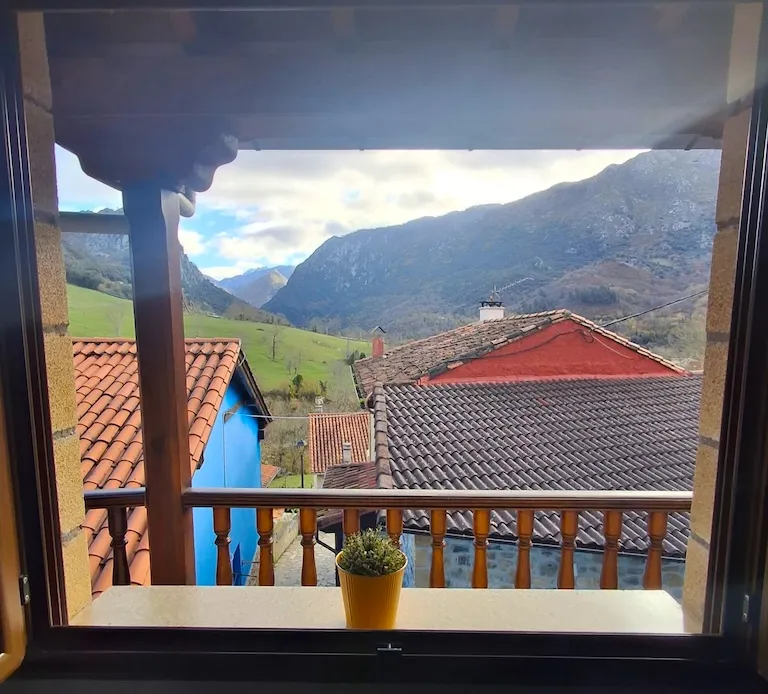
- From the village, at dusk, when the sun catches the wall side-on and turns it orange. That is the limestone too.
If you want more context on the mountain all this sits in, there is what the Picos de Europa National Park is and the walks from Cabrales.
What is underneath is better seen from nearby
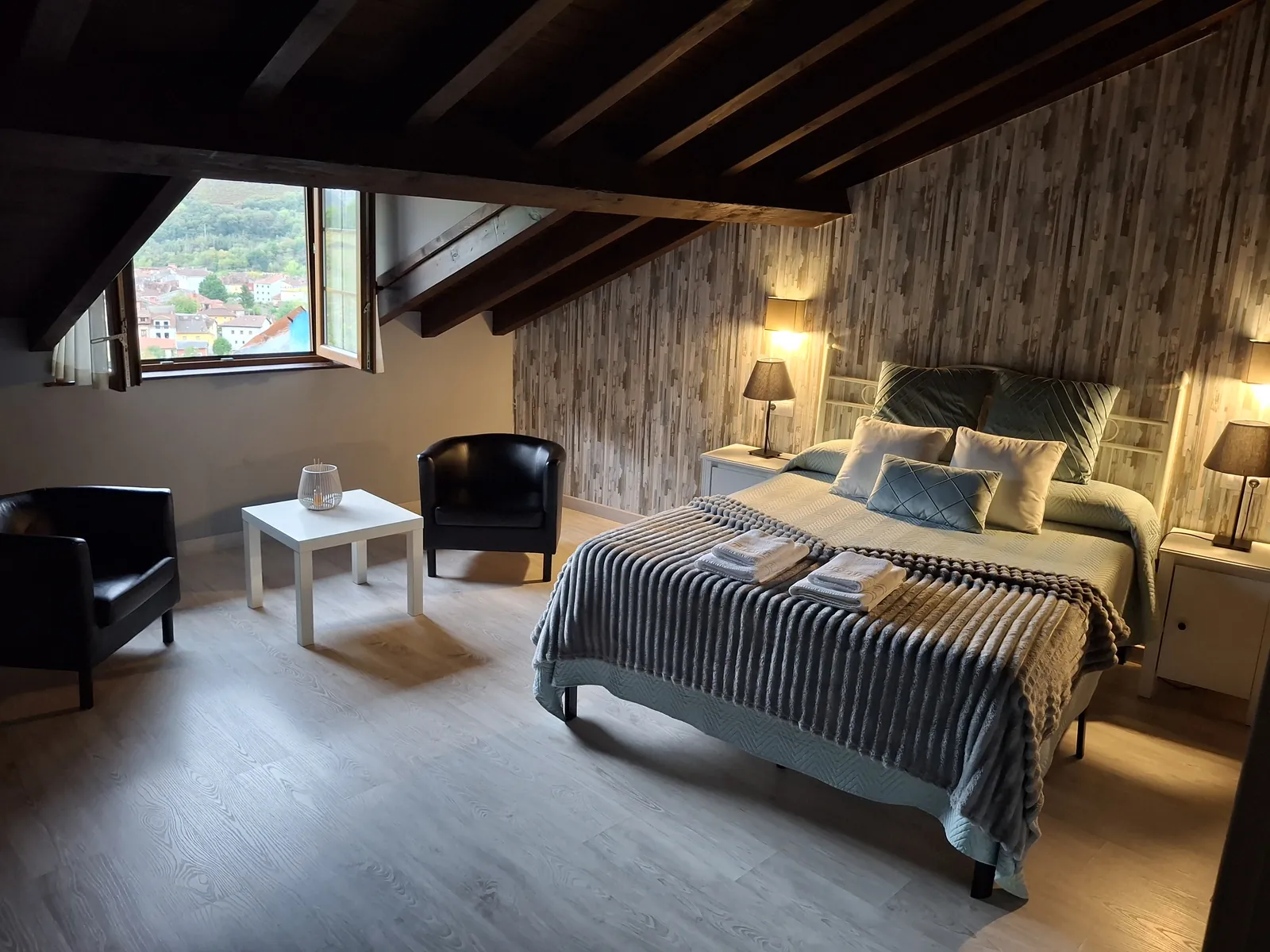
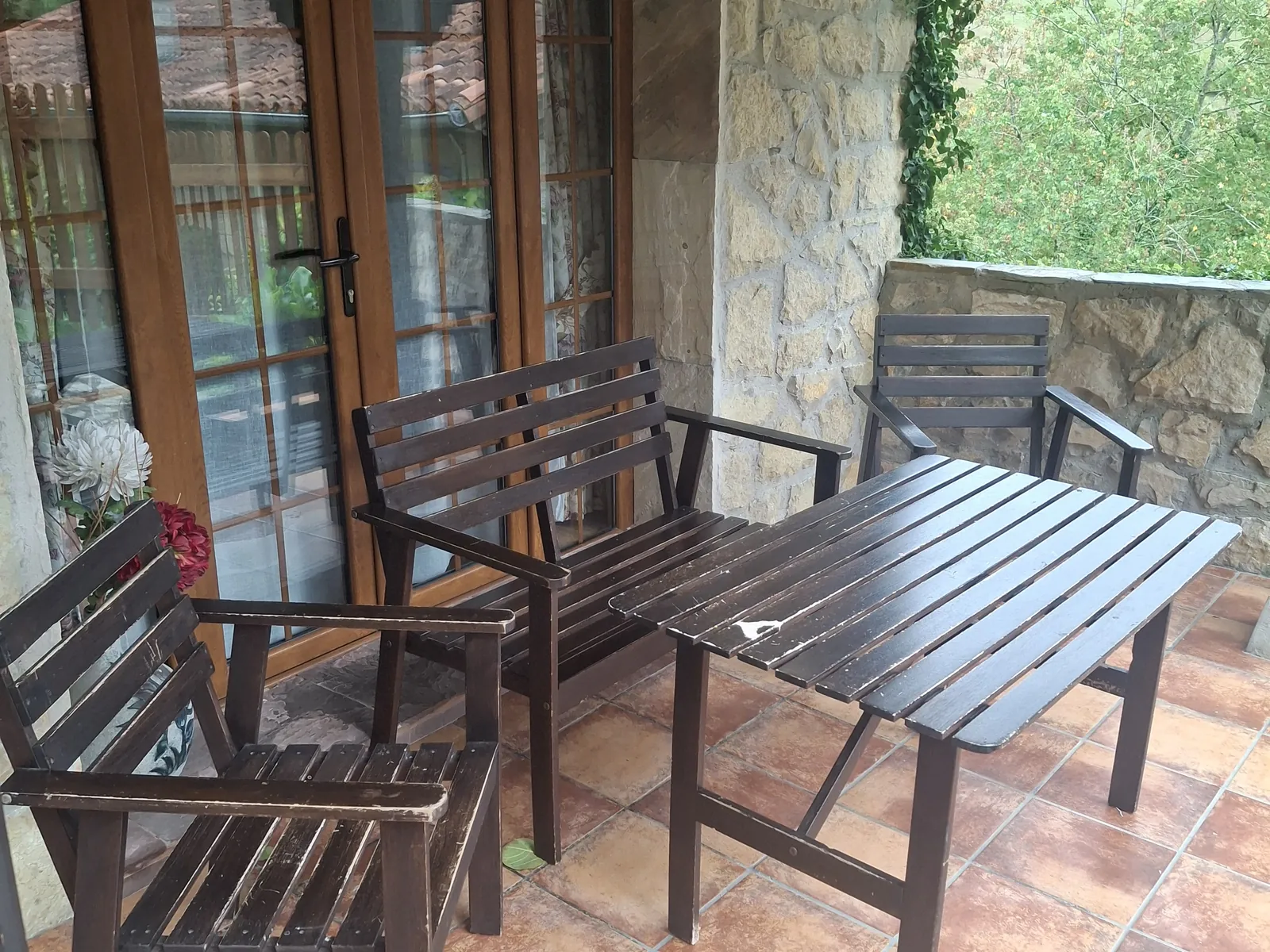
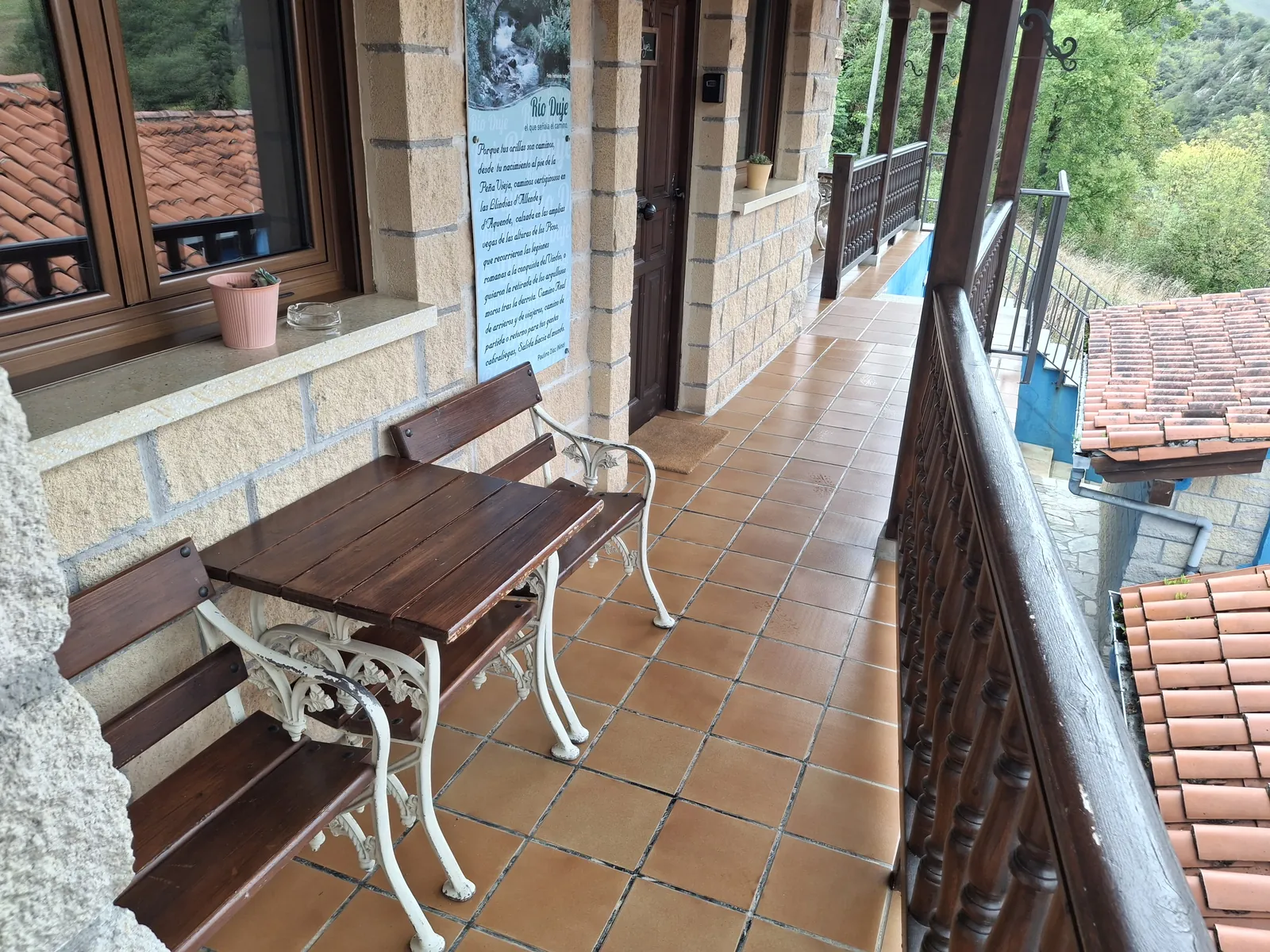
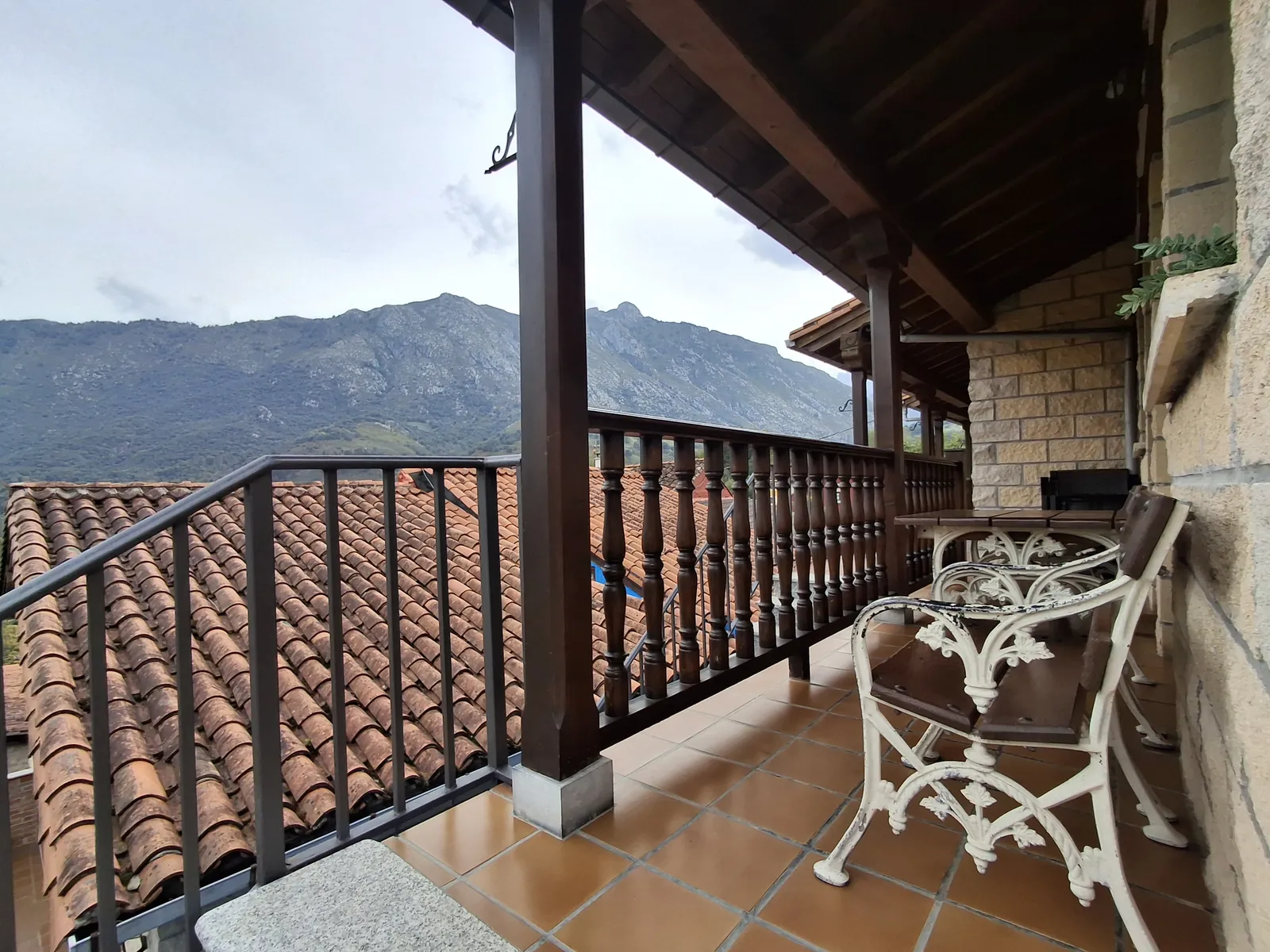
Our five apartments are in Barrio de Río, in Arenas de Cabrales, 6 km from Poncebos where the Cares begins. Restored stone houses, all with a full kitchen and a fireplace.
An international day devoted to rocks sounds like the dullest thing on the calendar until you realise that the rock here shaped the landscape, the most famous path in the north, and dinner. Check availability and book directly, with no commission.
Sources: International Geodiversity Day (UNESCO), how Cabrales cheese is made (Cabrales PDO Regulatory Council, in Spanish).