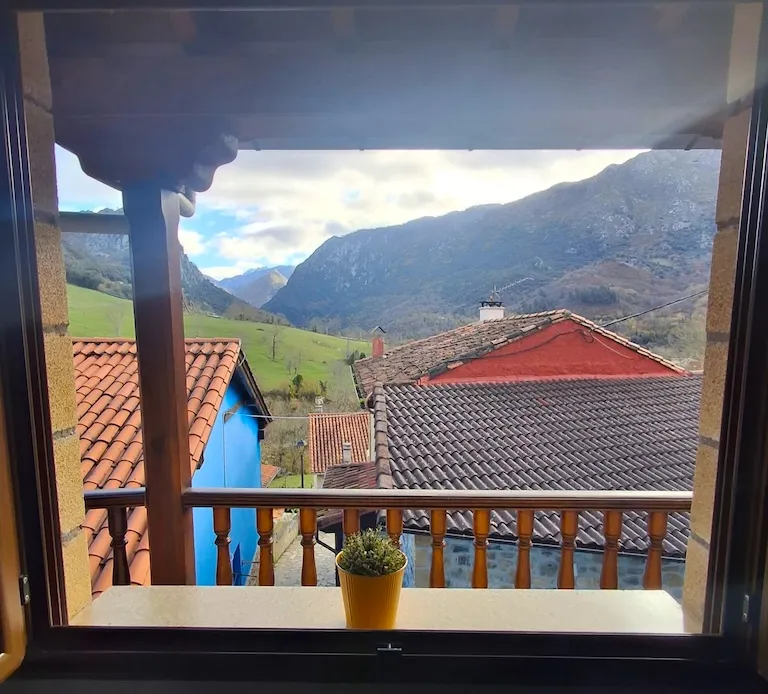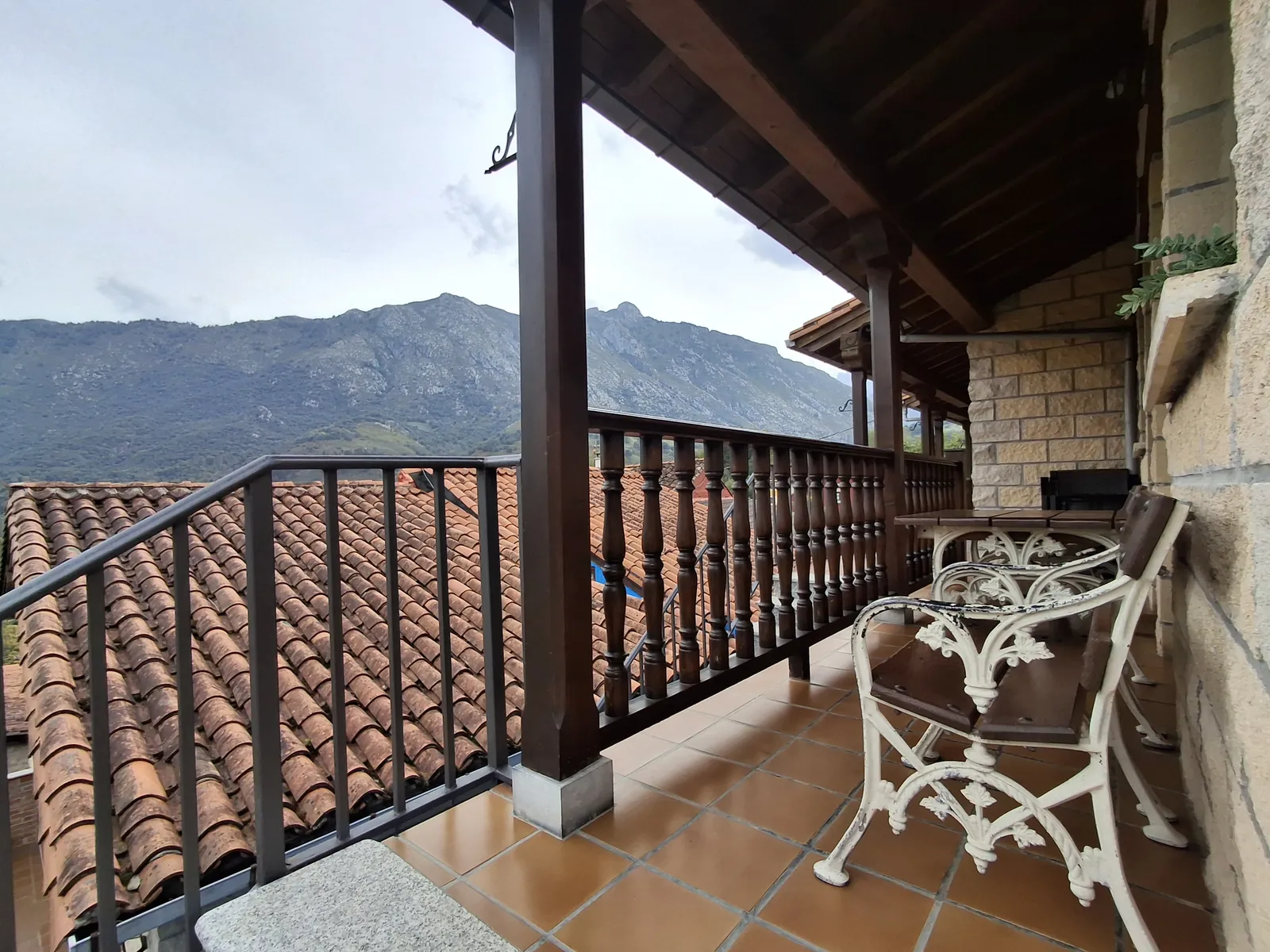

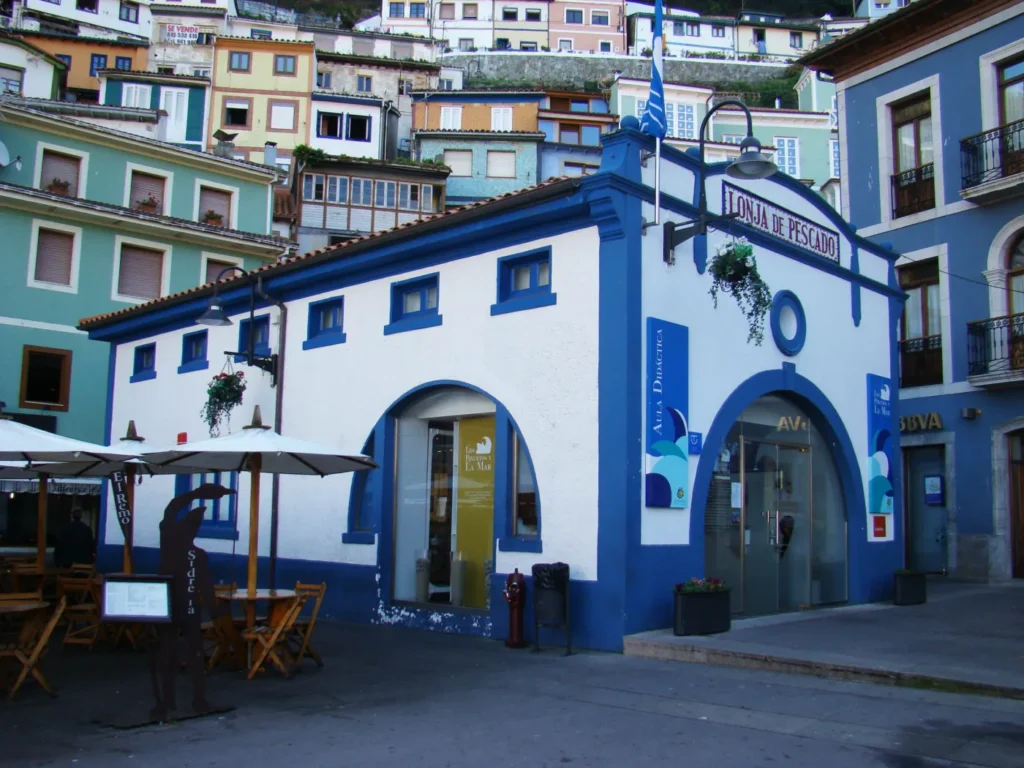
Cabrales looks towards the mountains, but the Cantabrian Sea is closer than it seems: in about 40 minutes you reach the Asturian coast, and its fish arrives on local tables just a few hours after leaving the market.
From the market to the plate the same day
The Asturian coast keeps a small-scale fleet spread across little ports — Llanes, Ribadesella, Lastres, Cudillero — that go out and come back within the day. That is what explains the freshness: fish auctioned in the morning at the rula, the local fish market, can be eaten that same evening an hour away.
It also explains something else: that the menu changes. In a good restaurant around here, the dish of the day is not a polite formula but literally whatever came in that morning. Asking for it is almost always the best decision you can make.
Pixín and the local fish
The usual star is pixín, the Asturian name for monkfish, prized for its firm, almost boneless flesh. It is cooked a la marinera, roasted, in green sauce, or simply grilled with a good olive oil: it stands up well to all four.
Alongside it comes virrey, a fine-fleshed redfish roasted whole and shared at the table. Hake is ever-present, and the most Asturian version is "a la sidra", stewed in cider, whose sharpness suits it very well.
Summer brings bonito del norte, the seasonal fish of the Cantabrian par excellence, eaten here in steaks off the grill, with onions, or in marmita: a fishermen's stew of potato and pepper that was born on board, made with whatever was to hand.
Shellfish, and when to eat it
Goose barnacles, velvet crabs — andariques around here — clams and spider crab come from this very coast and are prepared without fuss, boiled or grilled, because the produce does not need anything else.
Special mention for oricios, sea urchins, one of the hallmarks of the Asturian coast. They are a winter product: the season runs roughly from late autumn to early spring, and it is regulated, so if you are offered them in mid-August it is worth asking. Eating them in season, freshly opened and with a small spoon, is an experience like no other.
That seasonality applies to nearly all the shellfish: not everything is good all year round, and a restaurant that respects that is a good sign.
Mountain and sea on the same menu
One of the advantages of eating in this area is that you do not have to choose. Many restaurants combine mountain and sea cooking on the same menu, so you can start with a pote asturiano or a plate of fabes and finish with the fish of the day.
That mix is very much of this place and it has a historical logic: the valleys of Cabrales traded with the coast from way back, and fish went up to the mountains just as cheese came down towards the sea.
How to order without getting it wrong
Three things that help. Ask where it came from: on the Asturian coast they usually tell you with pride, and line-caught or inshore fish is a different thing from trawled. Trust the season before you trust the menu. And do not be afraid of the portions: as with cachopo, food is served generously here, and a roast fish to share is usually plenty for two.
From El Ardinal
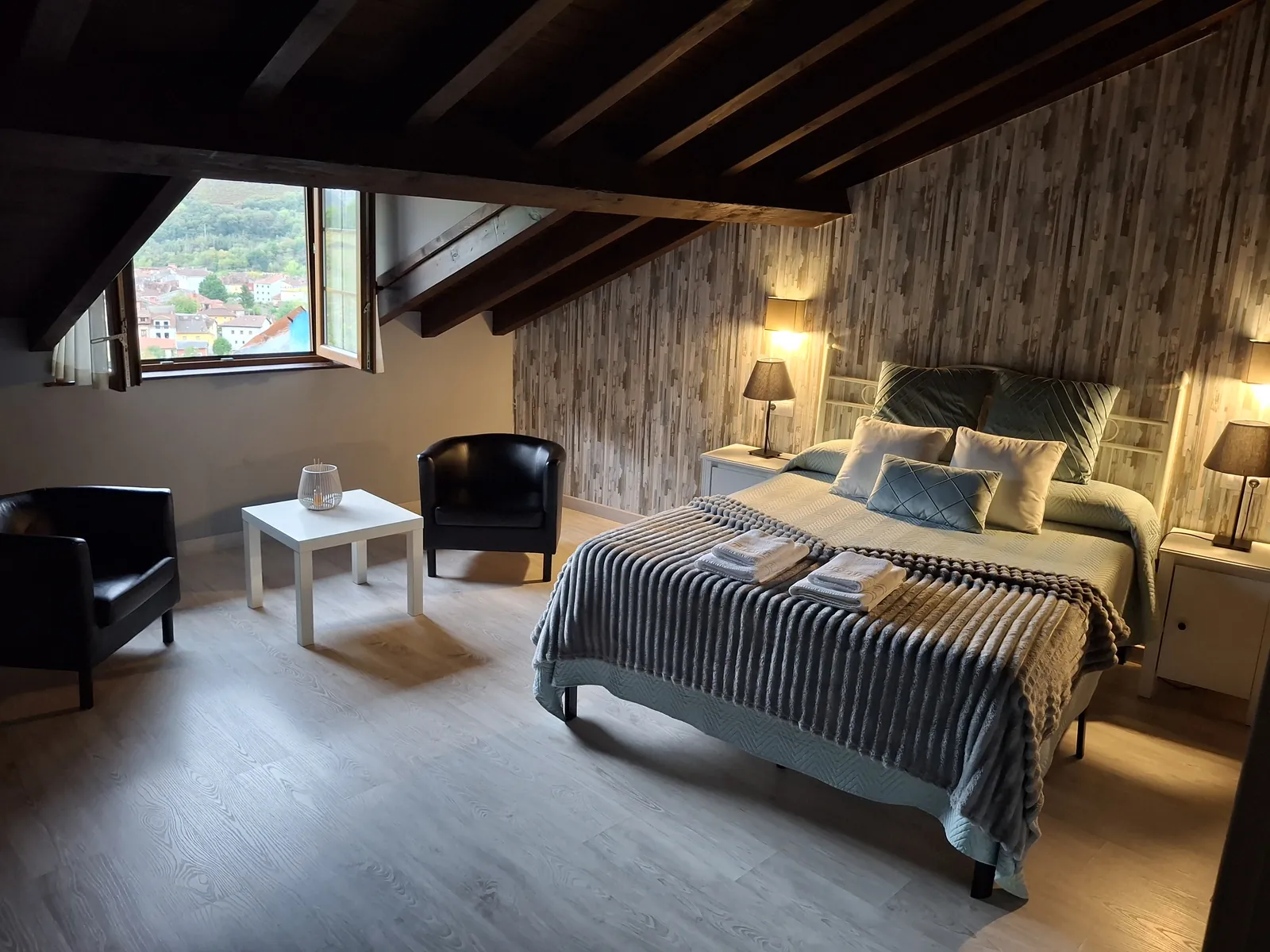
Staying at El Ardinal, in Arenas de Cabrales, lets you combine both kitchens without going far: there is good food in the valley itself and the coast is about 40 minutes away if you fancy eating with the sea in front of you.
And since the apartments have a full kitchen, there is always the option of stopping at a rula or a fishmonger's on the coast, coming back with the shopping and cooking it yourself.
From the mountains, do not miss Cabrales cheese or Asturian fabada, and the rest on our food and drink page.